Top 10 Benefits of Using a Single Station Irrigation Controller?
In the world of irrigation technology, the "Single-Station Irrigation Controller" stands out as a vital innovation. Expert John Smith, a leading figure in sustainable agriculture, emphasizes its importance, stating, “This controller transforms how we manage water resources.” With increasing demands for efficient water use, understanding its benefits is crucial.
The Single-Station Irrigation Controller simplifies irrigation management for homeowners and gardeners. It allows for precise control over watering schedules. Imagine a system that adapts to weather changes, ensuring your plants receive the right amount of water. However, many users overlook its potential. They may stick to traditional methods, missing out on conservation benefits. This controller is not just a gadget; it’s a step toward smarter water use.
Furthermore, integrating a Single-Station Irrigation Controller can lead to remarkable improvements in plant health. Reduced water waste translates to savings on utility bills. However, some challenges exist. Users may struggle with the technical setup or lack awareness of its features. Addressing these gaps can enhance the overall effectiveness of this irrigation solution.
Understanding Single Station Irrigation Controllers and Their Functionality
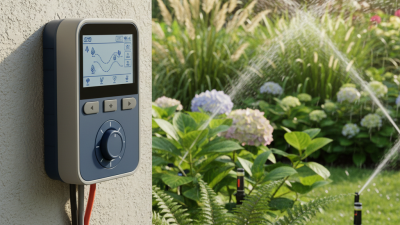
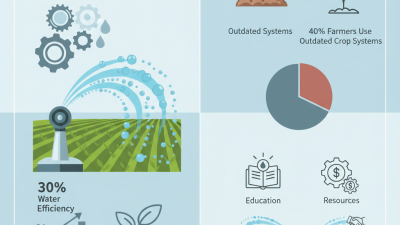
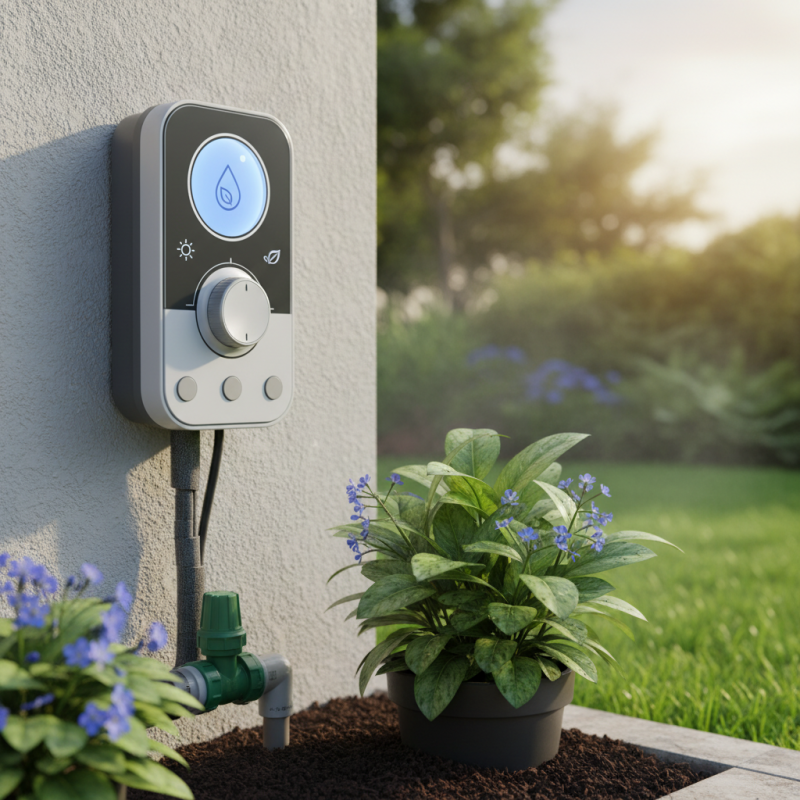
Single station irrigation controllers manage water delivery to a specific zone. They optimize water usage, which is vital as water scarcity rises across the globe. Studies show that efficient irrigation can reduce water usage by up to 30%. For homeowners, this means saving money on water bills while being environmentally responsible.
These controllers operate by sensing the moisture levels in the soil. They adjust the watering schedule based on real-time data, which can lead to healthier plants. Yet, many users overlook soil type variations. Ignoring this can result in over- or under-watering. It’s essential to monitor the system regularly.
Moreover, single station controllers enhance convenience. Users can set schedules in advance. Some models even allow remote operation through mobile apps. This feature aids busy individuals to care for their gardens. However, reliance on technology can lead to negligence in manual checks. Balancing tech use and personal oversight can improve results significantly.
Increased Water Efficiency Through Targeted Irrigation Techniques
Water efficiency is crucial in agriculture and gardening. A single station irrigation controller helps achieve this goal through targeted irrigation techniques. According to the United States Geological Survey, improving irrigation efficiency can save up to 50% of water used in typical scenarios. This controller allows users to set precise watering schedules for specific areas, ensuring that each plant gets just the right amount of water.
With such technology, overwatering becomes a thing of the past. A study from the USDA revealed that over 40% of water used in irrigation is wasted due to inefficient practices. By targeting certain zones, users can avoid excessive runoff and pooling, promoting healthier soil and roots.
Tip: Regularly check soil moisture levels to adjust watering schedules accordingly.
While these systems are beneficial, users need to understand their limitations. Not all plants have the same water needs, and relying solely on automation can lead to neglecting plant health.
Tip: Combine automated systems with manual checks to ensure optimal plant care.
Emphasizing the need for upkeep ensures better results. Technology aids efficiency, but oversight remains key to a flourishing garden or farm.
Time Savings and Automation Improvements in Landscape Management
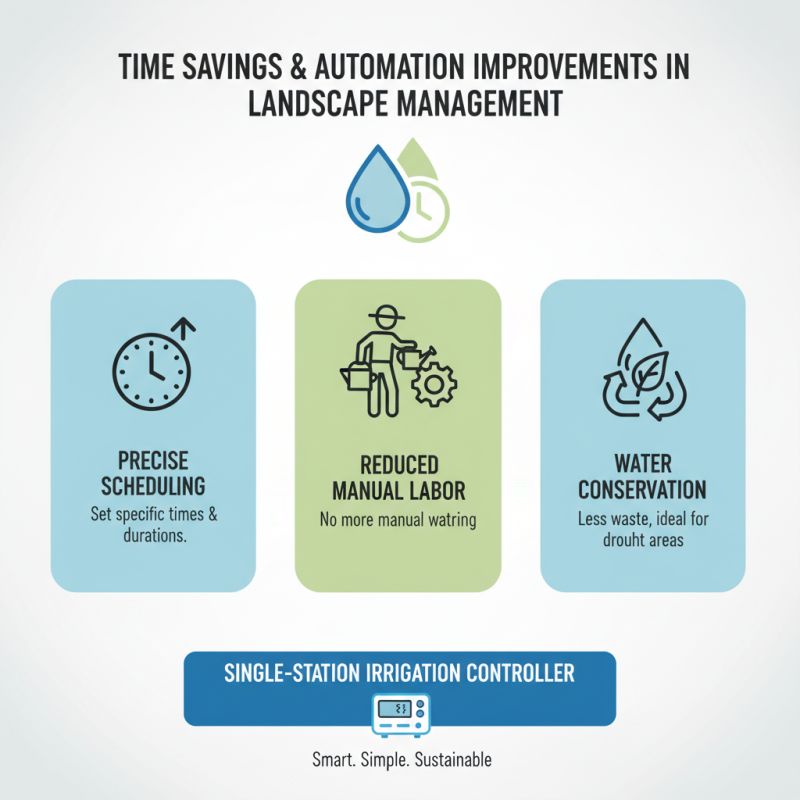
Using a single station irrigation controller can significantly improve time savings and automation in landscape management. These systems allow for precise scheduling, reducing the need for manual watering. Gardeners can set specific times and durations for watering, ensuring plants receive the correct amount of moisture. This automation also cuts down on water waste, a vital consideration in areas facing drought.
However, there can be challenges in relying solely on automation. Technical malfunctions may arise, causing either overwatering or underwatering. It’s essential to monitor the system regularly to catch any issues before they affect plant health. Moreover, not all plants have the same water needs. Adjusting settings for different areas can be cumbersome, requiring a bit of ongoing effort.
Investing in this technology can save time initially. Yet, it also demands patience and attention. Balancing automation with hands-on care is key. A single station controller is a powerful tool but isn't a complete solution. Regular checks and adjustments ensure a thriving landscape while also maximizing the benefits of automation.
Enhanced Plant Health and Growth with Controlled Watering Schedules
A single station irrigation controller offers significant benefits for plant health and growth. It allows for precise control of watering schedules. This is crucial for avoiding overwatering or underwatering, common issues in gardening. Research shows that plants require a consistent water supply to thrive. According to the American Society of Landscape Architects, properly managed irrigation can increase plant health by up to 30%.
Adjustable watering schedules help accommodate different plant needs. For example, new seedlings require more frequent moisture. Mature plants often need less. A flexible irrigation system can adapt to these varying requirements. In a study by the Irrigation Association, 70% of gardeners reported healthier plants when using scheduled watering.
However, there are challenges with single station systems. Improper setup can lead to issues. It’s important to know the specific water needs of each plant type. Many users may overlook the required adjustments each season. This can lead to suboptimal results. Regular monitoring and updates to the watering schedule can greatly enhance garden success.
Top 10 Benefits of Using a Single Station Irrigation Controller
Cost-Effectiveness and Reduced Water Bills from Optimized Usage
Using a single station irrigation controller can significantly reduce water bills. Data shows that these systems can lead to water savings of 20-50%. This is due to precise control over water usage. Many homeowners waste water through inefficient sprinkling. An optimized controller adjusts the timing based on weather patterns, ensuring plants receive just what they need.
In an industry report, researchers found that homes with smart irrigation controls used 30% less water on average. That’s substantial savings over time. A typical user saves around $100 annually on their water bill. Adjusting for seasonal changes can further enhance savings. Yet, many still overlook the importance of proper irrigation management.
The reality is not all outdoor spaces need equal watering. Overwatering is common, which leads to higher costs and water waste. By leveraging a single station controller, users can benefit from tailored irrigation. It’s a simple technology that can lead to smarter and more sustainable landscaping practices. However, it requires effort to set it up correctly and monitor its effectiveness.