Best Irrigation System Sprinklers for Your Garden?
When it comes to maintaining a vibrant garden, choosing the right irrigation system sprinklers is essential. These sprinklers ensure your plants receive the right amount of water. An effective irrigation system can save time and conserve water. However, many gardeners may overlook common mistakes in their watering practices.
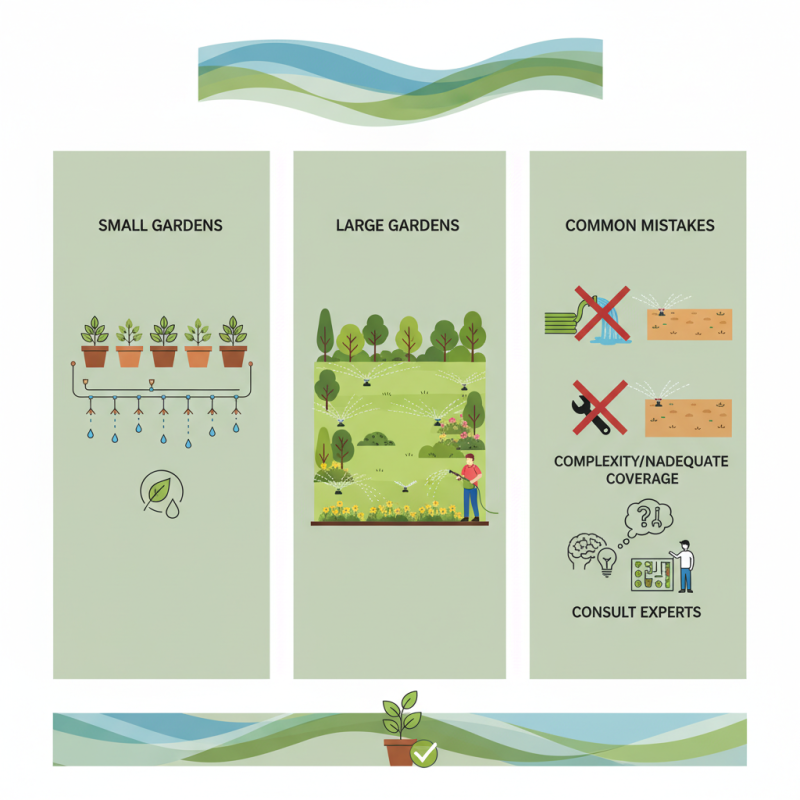
Selecting the best irrigation system sprinklers requires careful thought. Not all systems fit every garden type. For small gardens, efficient drip systems may be ideal. Larger landscapes may benefit from a combination of sprinklers and hose systems. While some gardeners believe that more water equals better growth, this isn't always true.
Some sprinkler systems can be overly complex. Others may not provide adequate coverage. Think about your garden's layout and plant needs. Understanding your options can lead to better choices. Consider consulting with a gardening expert if you feel unsure. Evaluating your preferences will ultimately improve your garden’s health.
Types of Sprinkler Systems for Garden Irrigation
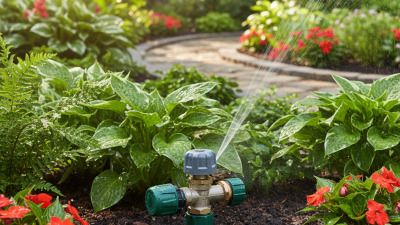
When selecting a sprinkler system for your garden, it's essential to consider different types available. Each type has its advantages and caters to specific gardening needs. For instance, stationary sprinklers produce a gentle spray. They are ideal for small areas and tender plants. However, they may not cover larger spaces efficiently.
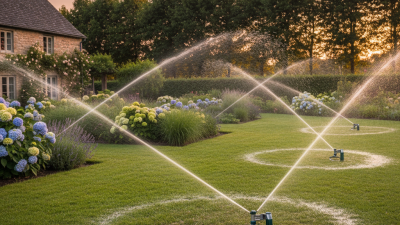
Rotary sprinklers are another option. They rotate as they spray, covering a wider area. These are great for medium-sized gardens. Yet, they can create uneven watering, especially with wind. This can cause some plants to get too much water while others remain dry. It's a common oversight when planning irrigation.
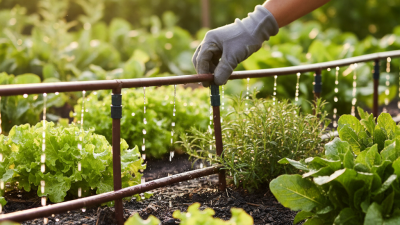
Drip irrigation systems deliver water directly to the roots. This minimizes water waste, and it’s efficient. However, installation can be tricky and may require adjustments over time. Gardeners need to monitor these systems regularly to avoid clogs. Each type of sprinkler system has its own set of advantages and challenges, making careful consideration crucial for any gardener looking to optimize their irrigation.
Factors to Consider When Choosing Sprinkler Systems
When selecting an irrigation system for your garden, several factors come into play. The size of your garden is critical. A larger garden may require a more extensive sprinkler system. Smaller gardens often benefit from simpler, more manageable options. Assessing your garden's layout is equally important. Consider the specific areas that need more water. This will help you decide where to place your sprinklers for optimal coverage.
Water pressure is another key factor. Check the pressure available in your area. Insufficient pressure can limit the effectiveness of your system. It's wise to test your water flow before making a decision. This ensures that whatever system you choose will function correctly.
**Tip:** Think about the ease of usage and maintenance. Some systems need frequent adjustments or repairs. Choose one that fits your lifestyle and garden needs.
Don't forget to consider the environment. Look for systems that conserve water. Sustainability is crucial, especially during dry seasons. Evaluate if your choice supports this goal. Every little detail matters in creating a thriving garden.
Best Irrigation System Sprinklers for Your Garden
This chart displays the water efficiency of various types of sprinkler systems based on their average water application rates (in inches per hour). Efficient irrigation is crucial for maintaining a healthy garden while conserving water.
Benefits of Automated Sprinkler Systems for Gardens
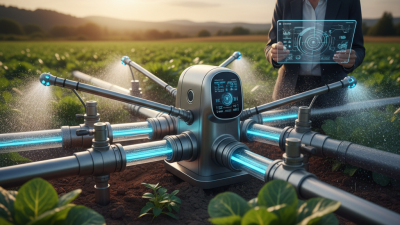
Automated sprinkler systems can transform garden care. They save time and effort, ensuring that plants receive consistent hydration. Imagine setting your system and enjoying your garden instead of standing with a hose.
One major benefit is efficiency. These systems deliver precise amounts of water directly to the roots. This reduces water waste and keeps your garden healthier. When plants are well-watered, they thrive beautifully. However, many users overlook seasonal adjustments. Automatic systems can sometimes water too much or too little. It’s essential to monitor your garden's needs regularly.
Another advantage is convenience. With timers, you control when to water. Imagine waking up to a lush garden without any hassle. Yet, it’s crucial to consider the initial setup cost. A complex installation may be intimidating for some gardeners. Maintenance can also seem daunting, especially if there are breakdowns. Regular checks are necessary to ensure everything works smoothly.
Best Irrigation System Sprinklers for Your Garden? - Benefits of Automated Sprinkler Systems for Gardens
| Sprinkler Type |
Coverage Area (sq ft) |
Water Pressure (psi) |
Automatic Capability |
Material |
| Rotary Sprinkler |
500 |
30-50 |
Yes |
Plastic |
| Oscillating Sprinkler |
350 |
40-60 |
Yes |
Metal |
| Drip Irrigation |
Variable |
15-30 |
Yes |
Plastic |
| Impact Sprinkler |
800 |
25-55 |
Yes |
Metal |
| Soaker Hose |
Variable |
10-25 |
No |
Rubber |
Tips for Proper Installation and Maintenance of Sprinklers
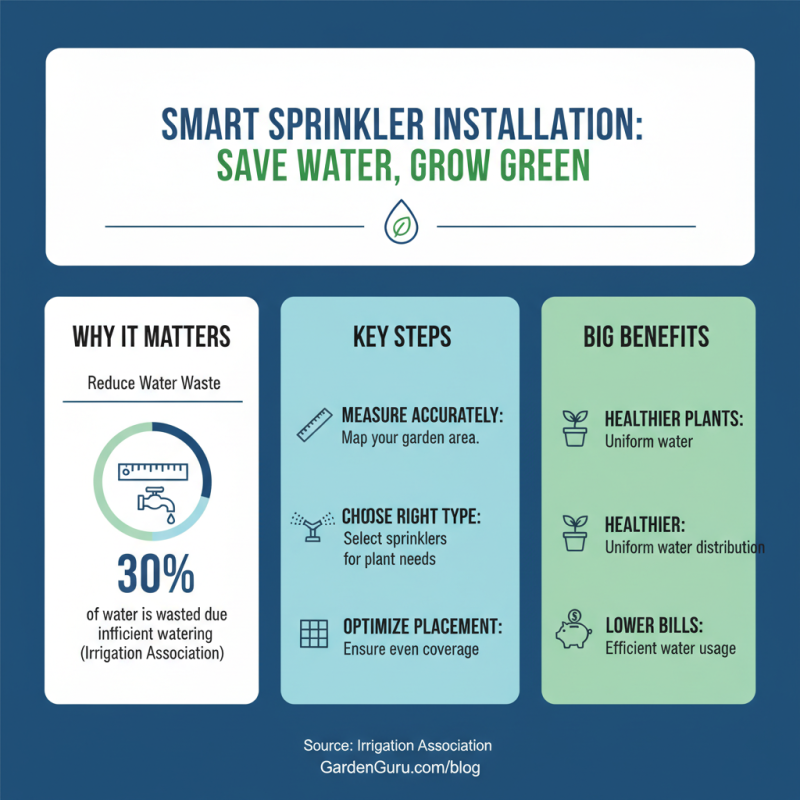
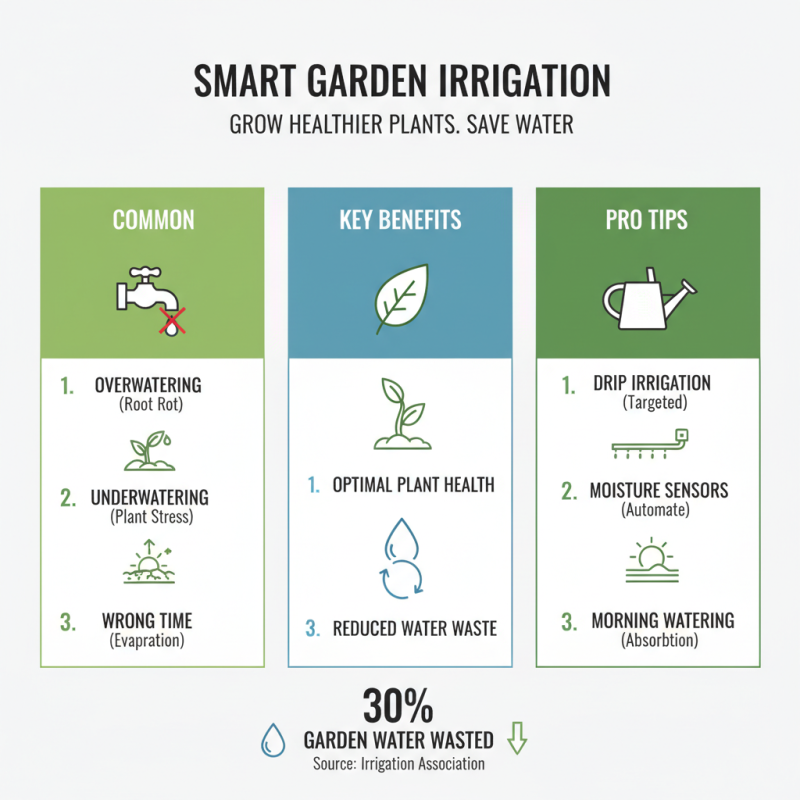
When installing sprinklers, attention to detail matters. Proper installation ensures optimal water coverage and minimizes waste. According to the Irrigation Association, approximately 30% of water is wasted due to inefficient watering practices. To combat this, measure your garden accurately before installation. This helps you determine the right type and number of sprinklers needed for even distribution.
Maintenance is just as crucial. Regularly check for clogs and leaks. A single broken sprinkler can waste up to 30 gallons of water per day. Clear debris and inspect hoses frequently. Setting your system to run early in the morning or late in the evening can reduce evaporation losses by about 50%. Adjust your timers based on seasonal changes to match your plant's needs.
Don’t overlook the importance of soil moisture levels. Testing the soil helps gauge how much water is truly needed. Even with a great system, overwatering can drown your plants. Keep an eye on weather forecasts too; nature can help reduce your irrigation needs. Remember, the goal is to achieve balance between adequate watering and sustainability.