How to Choose the Best Irrigation Controller for Your Needs?
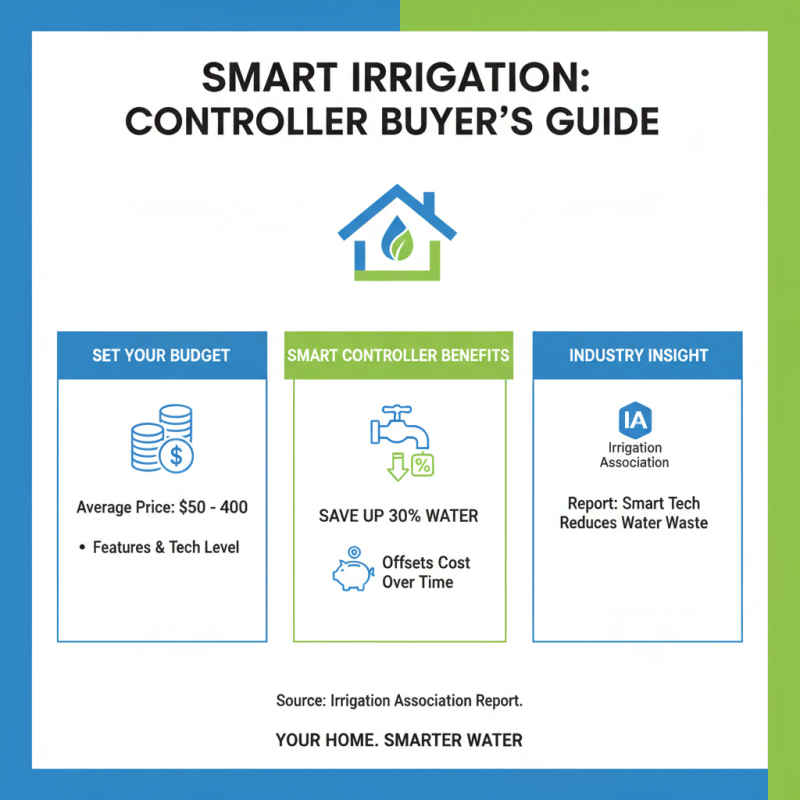
The choice of an optimal Irrigation Controller is crucial for efficient water management. According to the 2021 Irrigation Association report, smart irrigation technologies can reduce water use by up to 30%. With the increasing scarcity of freshwater resources, selecting the right controller becomes vital for both sustainability and cost savings.
Many users lack understanding of the available features. Some controllers offer Wi-Fi connectivity and app-based monitoring, enabling real-time adjustments. Others may have basic mechanical timers. The wide variety can lead to confusion. Reports suggest that 40% of consumers regret their choice due to inadequate research.
Incorporating expert reviews and consumer feedback is essential. Research indicates that poorly rated products often fail to meet user expectations. Consideration of local climate conditions, soil type, and landscape needs is necessary for making an informed decision. A tailored approach ensures that your selected Irrigation Controller aligns with unique environmental demands, thus enhancing overall efficiency.
Understanding Irrigation Controllers: Types and Functions
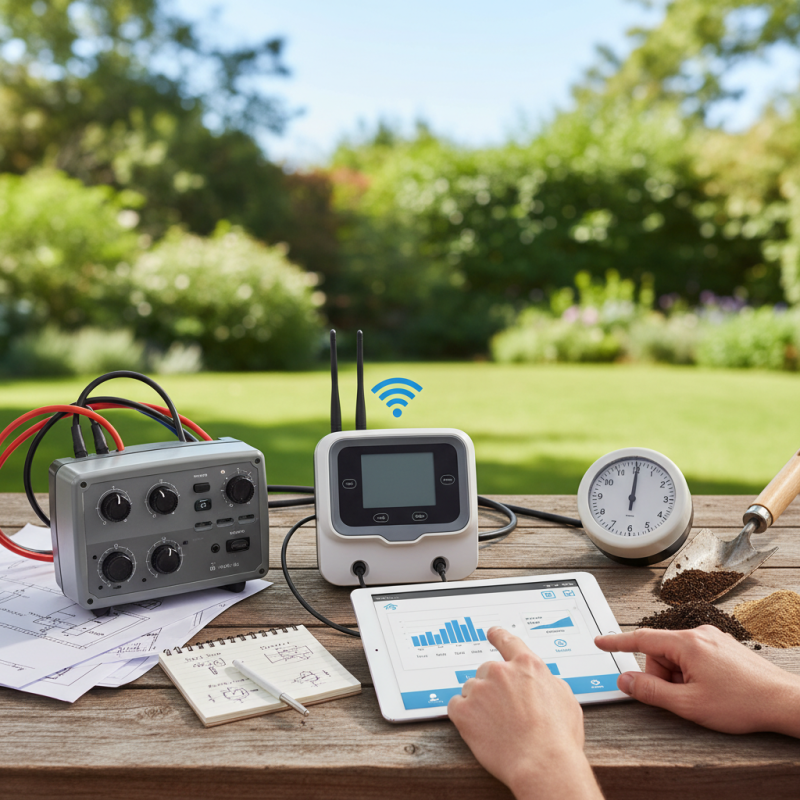
Understanding irrigation controllers is crucial for efficient watering. These devices automate the irrigation process. They save time and water, ensuring plants receive the right amount of moisture. Types of irrigation controllers include mechanical, digital, and smart controllers. Each has unique functions that cater to different needs.
Mechanical controllers are simple and easy to use. They rely on timers, making them straightforward for basic setups. Digital controllers offer more flexibility. They allow for precise scheduling and adjustments. Smart controllers, on the other hand, utilize weather data. They adjust watering based on rain forecasts and soil moisture levels.
**Tips:** Consider your garden size before choosing a controller. Smaller gardens may benefit from mechanical options. For larger areas, digital or smart controllers are more efficient. Think about your local climate as well. Understanding seasonal changes is essential in selecting the right setting.
Reflect on the technology you prefer. While smart controllers are great, they require robust internet connectivity. Sometimes, simple solutions provide peace of mind. Assess your daily routine to find the best fit for your lifestyle.
Irrigation Controller Preferences Based on Features
This bar chart illustrates the preferences of users regarding different features of irrigation controllers. It highlights that Smart Scheduling is the most preferred feature, followed by Rain Sensors and Wi-Fi Connectivity, which are critical for modern irrigation systems.
Key Features to Look for in Irrigation Controllers
When selecting an irrigation controller, understanding key features is crucial for efficient water management. One important aspect is the scheduling capabilities. Many advanced controllers offer smart scheduling, adapting to weather changes. Reports indicate that homes with smart irrigation systems can reduce water use by up to 30%. Integrating local weather data saves not just water but also money.
Another vital feature is connectivity. Wi-Fi-enabled controllers allow remote adjustments through a smartphone app. This accessibility enhances user control, especially during unintended weather changes. A survey showed that 75% of users appreciate receiving alerts about system malfunctions directly on their devices. However, reliance on technology demands consistent internet access, which some users may struggle with.
Lastly, consider sensor integration. Soil moisture sensors can prevent overwatering. Owners who use these sensors report a 40% reduction in water bills. Yet, users need to be cautious with placement; incorrect positioning can lead to inaccurate readings. This calls for an understanding of soil types and plant needs. Overall, evaluating these features ensures your irrigation controller meets specific requirements effectively.
How to Choose the Best Irrigation Controller for Your Needs? - Key Features to Look for in Irrigation Controllers
| Feature |
Description |
Importance |
| Automation |
Ability to schedule watering times and durations automatically based on weather conditions. |
High |
| Soil Moisture Sensors |
Sensors that measure soil moisture levels to adjust watering schedules accordingly. |
High |
| Smart Technology |
Integration with smart home systems and mobile apps for remote control and monitoring. |
Medium |
| Zone Control |
Capability to manage different zones of your garden or lawn separately. |
High |
| User Interface |
Ease of use, including navigations, programming, and setting adjustments. |
Medium |
| Weather Adaptability |
Ability to halt irrigation based on weather forecasts. |
High |
| Water Usage Tracking |
Monitoring and reporting water consumption for efficiency analysis. |
Medium |
Assessing Your Landscape and Water Needs
Assessing your landscape and water needs is crucial when choosing an irrigation controller. Factors like plant types, soil conditions, and local climate significantly influence water requirements. According to the USDA, over 30% of residential water usage goes to irrigation. Understanding your garden's specific needs can prevent water waste.
Evaluate your landscape layout. Are there shaded areas versus sun-soaked spots? Shaded areas need less water. The Soil Conservation Service suggests testing your soil type. Sandy soils drain quickly, while clay holds water. A simple soil test can guide you on watering frequencies. Nearly 60% of homeowners over-irrigate because they don't consider these factors.
Consider seasonal changes too. Your watering needs will vary from spring to fall. A report from the American Society of Irrigation Consultants highlights that inefficient irrigation can lead to a 15% increase in water costs. Reflect on whether your current system adapts to weather changes. Monitoring rainfall can help adjust settings and ensure a healthy landscape.
Comparing Brands and User Reviews for Informed Choices
Selecting an irrigation controller for your garden can be overwhelming. User reviews offer valuable insights. A survey showed that 70% of users prioritize ease of use. Complexity can deter even the most dedicated gardeners.
Comparing brands reveals significant differences. Research indicates that customers favor controllers with smart features. Nearly 60% of homeowners choose models that integrate with mobile apps. This allows for remote monitoring and adjustments. However, users often report bugs in these systems, leading to frustration.
Reviews highlight durability as a crucial factor. Controllers exposed to harsh weather can fail prematurely. Almost 40% of users experienced issues within the first year. Although most brands advertise longevity, actual performance may differ. Feedback from peers can offer guidance, but personal testing is essential. Always verify specifications and assemble feedback before making a choice.