2026 How to Choose the Right Irrigation System Parts?
Choosing the right irrigation system parts is crucial for effective gardening or farming. A well-functioning irrigation system can determine the success of your crops. However, many people overlook the importance of selecting quality components.
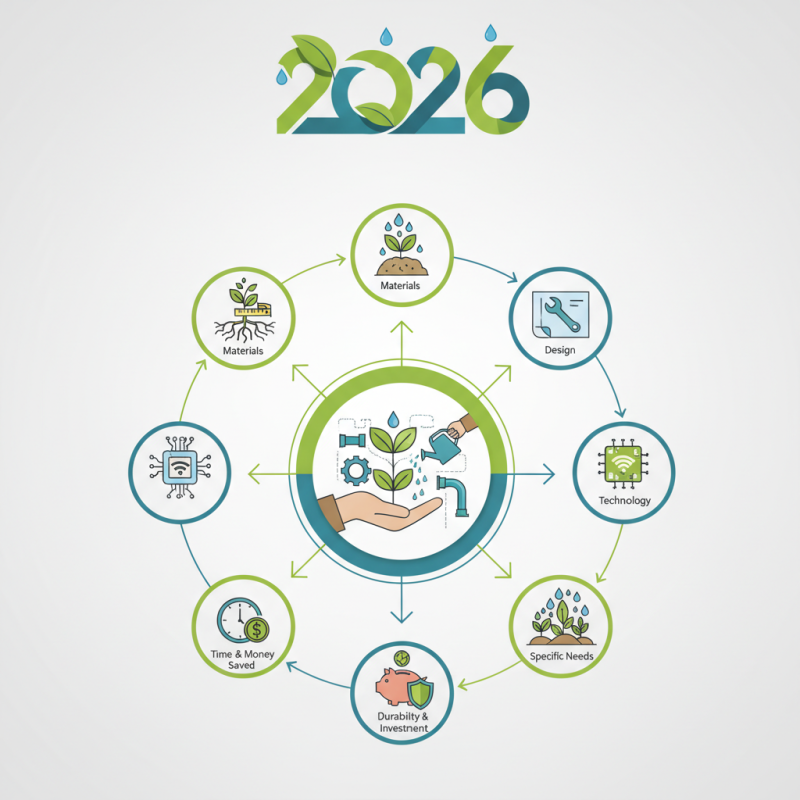
In a world filled with options, picking the right parts can be overwhelming. You might be tempted to opt for the cheapest solutions. Yet, this often leads to more costs later on. Consider the materials, design, and technology of each part. Research how they work together. Proper irrigation system parts can significantly increase water efficiency and crop yield.
Additionally, understanding your specific needs helps. Different plants and landscapes require varying irrigation methods. Reflect on your situation before purchasing. Quality parts may cost more upfront, but they offer durability. In the end, investing in the right irrigation system parts can save you time and money. Choose wisely.
Understanding Different Types of Irrigation Systems
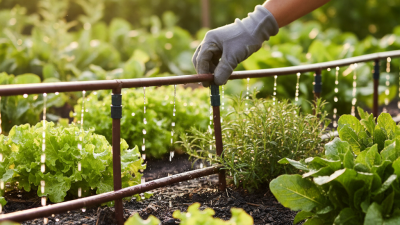
When choosing an irrigation system, understanding the types available is crucial. There are several common systems: drip, sprinkler, and surface irrigation. Each has unique advantages and potential drawbacks. Drip systems are efficient. They deliver water directly to plant roots. However, they require regular maintenance to prevent clogs that can disrupt water flow. On the other hand, sprinklers are versatile but can waste water if not positioned correctly.
Tips: Always assess your landscape needs before selecting a system. Consider soil type and plant species. This will help you choose parts that match your requirements.
Surface irrigation is another option, especially for large fields. It's straightforward but can lead to uneven water distribution. According to a recent industry report, nearly 30% of farmers face challenges with water management due to improper system selection. Ignoring these challenges can affect crop yield significantly.
Tips: Regularly evaluate your irrigation setup. Look for signs of overwatering or underwatering. Adjustments may be necessary as conditions change. Understanding the key characteristics of each irrigation system type can guide you in making informed decisions, leading to more efficient water use.
2026 How to Choose the Right Irrigation System Parts?
| Irrigation System Type |
Best Suitable Crops |
Key Components |
Efficiency Rating |
Cost Range ($) |
| Drip Irrigation |
Vegetables, Fruits |
Emitters, Tubing |
90%+ |
500 - 3000 |
| Sprinkler Irrigation |
Grains, Turf |
Sprinklers, Pipes |
75% - 85% |
700 - 5000 |
| Surface Irrigation |
Cereal Crops, Orchards |
Canals, Ditches |
60% - 70% |
300 - 2000 |
| Subsurface Irrigation |
Row Crops, Trees |
Pipes, Control Valves |
85%+ |
800 - 4000 |
| Fogging/Misting |
Tropical Plants, Greenhouses |
Fogging Nozzles, Pumps |
90%+ |
1000 - 3000 |
Key Components of Irrigation System Parts
When setting up an efficient irrigation system, understanding the key components is crucial. Every part plays a role in ensuring that plants receive adequate water. A pump is often the heart of the system. It moves water from the source to the distribution system. Choosing the right pump size is essential. An oversized pump can lead to excessive energy costs.
Next, we have pipes and tubing. These connect various parts of the system. Materials vary—PVC, polyethylene, or hose. Each has its pros and cons. It's easy to overlook the impact of wear and tear over time. Regular inspections can prevent leaks and inefficiency.
Finally, consider the emitters and valves. Emitters control the flow rate. Valves manage the water distribution. Proper selection and positioning are key. Many may underestimate their importance, leading to uneven water distribution. The balance between cost and function is often challenging. Making the right choices requires careful thought and planning.
Factors to Consider When Choosing Irrigation Parts
When selecting irrigation system parts, several factors must be considered for optimal performance. Understand the specific needs of your plants, soil type, and climate conditions. According to recent industry reports, nearly 30% of farmers reported inefficient water usage due to improper part selection. This highlights the importance of thorough evaluation.
Evaluate the flow rates needed for your system. Different crops and soil types demand varying amounts of water. An effective system must deliver water efficiently. Monitoring systems can help track water usage, but they come with costs. It is essential to weigh these against potential savings. Materials and durability are also significant. Components should withstand environmental factors to avoid frequent replacements.
Compatibility is another crucial consideration. Not all parts work well together. A common mistake is assuming that any part will fit an existing system. This error can lead to inefficiencies. Some reports suggest that 15% of all irrigation failures stem from compatibility issues. Analyzing these details will help avoid costly mistakes and ensure a well-functioning irrigation system.
Comparing Quality and Durability of Irrigation Components
When selecting irrigation components, the quality and durability are crucial. A study by the American Society of Agricultural and Biological Engineers revealed that subpar parts can reduce system efficiency by up to 30%. This inefficiency not only increases water use but can also lead to crop stress. Choosing high-quality materials is not just beneficial; it’s essential for sustainability.
Certain materials, such as PVC and polyethylene, are commonly used. They offer varying levels of durability and resistance to UV light. For instance, PVC pipes generally last longer than polyethylene in ultraviolet exposure. However, when it comes to temperature fluctuations, PVC can become brittle. Some farmers may overlook these details, leading to unexpected failures and costly repairs.
Investing in robust fittings and connectors is equally important. Metal components often provide greater strength, while plastic can crack over time. A report from the Irrigation Association states that 25% of system failures are tied to inferior fittings. This reveals the necessity of rigorous selection criteria in the planning phase. Small decisions can have significant impacts on long-term system performance and cost.
Comparison of Quality and Durability of Irrigation System Components
Maintenance Tips for Your Irrigation System Parts
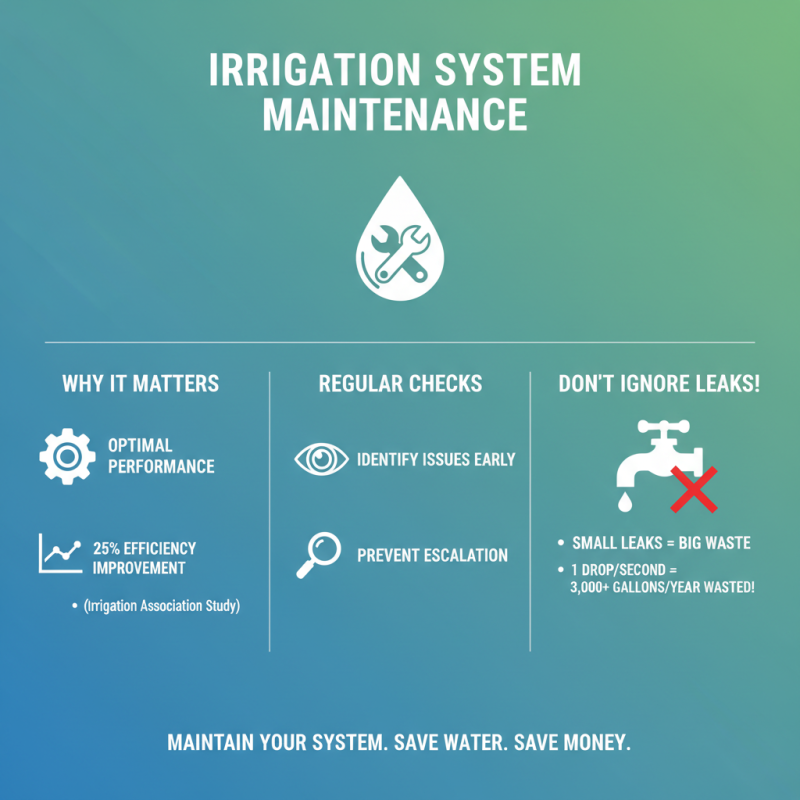
Maintaining your irrigation system parts is essential for optimal performance. Regular checks can help identify issues before they escalate. A study by the Irrigation Association revealed that proper maintenance can improve efficiency by 25%. Small leaks, if ignored, can waste a significant amount of water. In fact, a leak as small as one drop per second can waste over 3,000 gallons a year.
Cleaning filters frequently is vital. Clogged filters can restrict water flow, leading to uneven watering. A quick inspection should be part of your routine, especially before the irrigation season starts. Additionally, seasonal adjustments to your system prevent overwatering or underwatering. On average, systems that are not adjusted properly can waste nearly 50% of water.
It's crucial to monitor hoses, valves, and emitters for signs of wear. Rubber parts can crack in extreme temperatures. A broken valve can disrupt the entire system, causing crop stress. Even with careful planning, unexpected issues can arise. Regularly documenting your system's performance helps track these occurrences. Ignoring these details can lead to costly repairs or environmental damage over time.