What is an Irrigation Emitter and How Does it Work?
Irrigation emitters play a crucial role in modern agriculture. These devices are essential for efficient water distribution. They ensure the targeted watering of crops, minimizing water waste. According to Dr. Emily Carter, an irrigation expert, "Irrigation emitters define the future of sustainable farming."
In many irrigation systems, emitters control the flow rate of water. They allow farmers to provide precise amounts to each plant. This targeted approach enhances plant growth and conserves resources. However, improper selection or maintenance of emitters can lead to inefficiencies. Clogging can occur, affecting the water supply and plant health.
Farmers must remain vigilant. Understanding the types of irrigation emitters is vital. From drip to micro-sprinklers, each type serves a unique purpose. Educating oneself about their operation is key. As agriculture trends evolve, so does technology. Embracing innovations can help overcome current irrigation challenges.
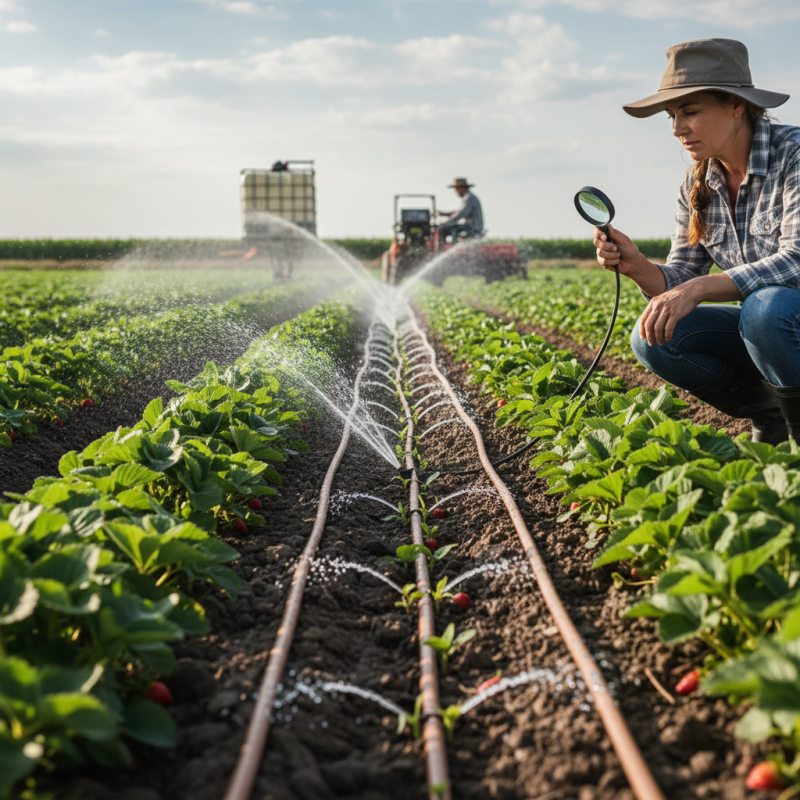
What is an Irrigation Emitter: Definition and Types
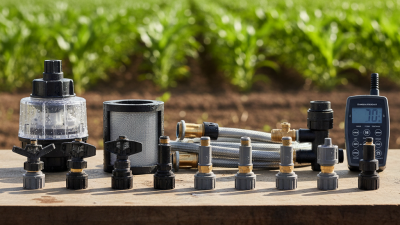
Irrigation emitters are essential devices in modern agriculture. They help deliver water directly to the plants. This targeted approach conserves water and promotes healthy growth. There are several types of emitters, including drip emitters, spray emitters, and bubbler emitters. Each type serves a unique purpose in irrigation systems.
Drip emitters, for example, release water slowly at the root zone. This minimizes evaporation and runoff. Spray emitters cover larger areas but may waste water if not managed well. Bubbler emitters provide a steady flow, creating a small pond near the plant. Each emitter type has its benefits and drawbacks. Choosing the right one can be a challenging decision.
Tip: Check your soil type before selecting an emitter. Sandy soils may require more frequent watering, while clay soils retain moisture longer. Adjusting your emitter placement can also enhance effectiveness.
Tip: Regular maintenance is key. Blockages can occur, and filters should be cleaned regularly. Neglecting maintenance can lead to uneven watering and wasted resources. Always inspect your system for leaks or damage to promote optimal performance.
The Importance of Irrigation Emitters in Agriculture
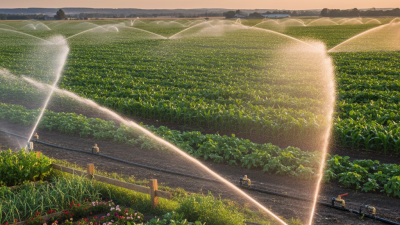
Irrigation emitters play a crucial role in agriculture. They deliver water directly to plant roots, minimizing waste. This targeted approach helps conserve water in areas facing scarcity. Farmers often struggle with uniformity; some plants may receive too much or too little water. A well-designed emitter system can address this issue.
Proper installation is vital for emitters to function effectively. Misalignment can lead to uneven watering. The soil type also influences how water is absorbed. Sandy soil drains quickly, while clay retains water. Farmers need to consider these factors. Some might overlook maintenance; clogged emitters can disrupt the flow.
Incorporating emitters results in healthier crops. However, farmers must monitor and adjust as conditions change. Seasonal shifts can impact water needs. An effective emitter system requires ongoing evaluation and fine-tuning. Balancing efficiency and effectiveness remains a challenge for many.
How Irrigation Emitters Work: Principles and Mechanisms
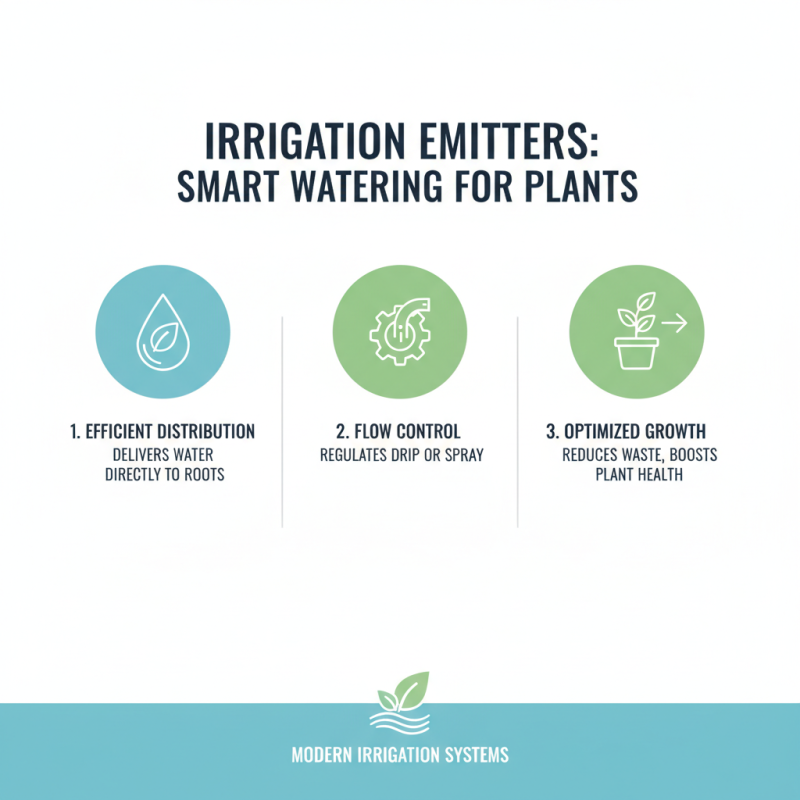
Irrigation emitters are crucial components in modern irrigation systems. They distribute water efficiently to plants, ensuring they receive the right amount of moisture. Most emitters work by controlling water flow, allowing it to drip or spray onto the soil around the roots. This targeted watering reduces waste and optimizes plant health.
Understanding the mechanics behind emitters is essential. They often use gravity or pressure to release water. Some emitters feature small orifices, which create a focused stream. Others may use advanced technology to adjust delivery rates based on environmental conditions. Such mechanisms ensure consistent watering, even in varying climates.
Tips: Regularly check your emitters for clogs. Small debris can disrupt water flow. It’s easy to overlook but vital for a productive garden. Additionally, observe how plants respond to watering. Leaf droop may indicate too little or too much water. Adjust emitter settings accordingly. Proper maintenance leads to better yields.
Key Specifications and Metrics for Selecting Emitters
When selecting irrigation emitters, certain key specifications become crucial. Flow rate is one significant metric. Emitters typically range from 0.5 to 4 gallons per hour (GPH). The right flow rate ensures efficient water distribution. Too high or too low can harm crops. Pressure compensating emitters are another option. They maintain a consistent flow rate despite pressure changes.
Another important specification is the emitter's location and spacing. Emitters can be placed in rows or grids, depending on plant type and water needs. Research shows that optimal spacing can enhance yield by up to 30%. Emitter types vary, including drip tape and micro-sprays. Each suits different applications. Soil type and vegetation significantly influence emitter selection.
Tips: Monitor your soil moisture regularly. Adjust emitter placement based on crop growth stages. Regular maintenance is key to emitter function. A clogged emitter can reduce efficiency, wasting water and time. Understanding these metrics helps create an effective irrigation plan for your landscape. Always consider your unique farming needs when selecting the right emitters.
Irrigation Emitters Performance Comparison
Future Trends in Irrigation Emitter Technology and Efficiency
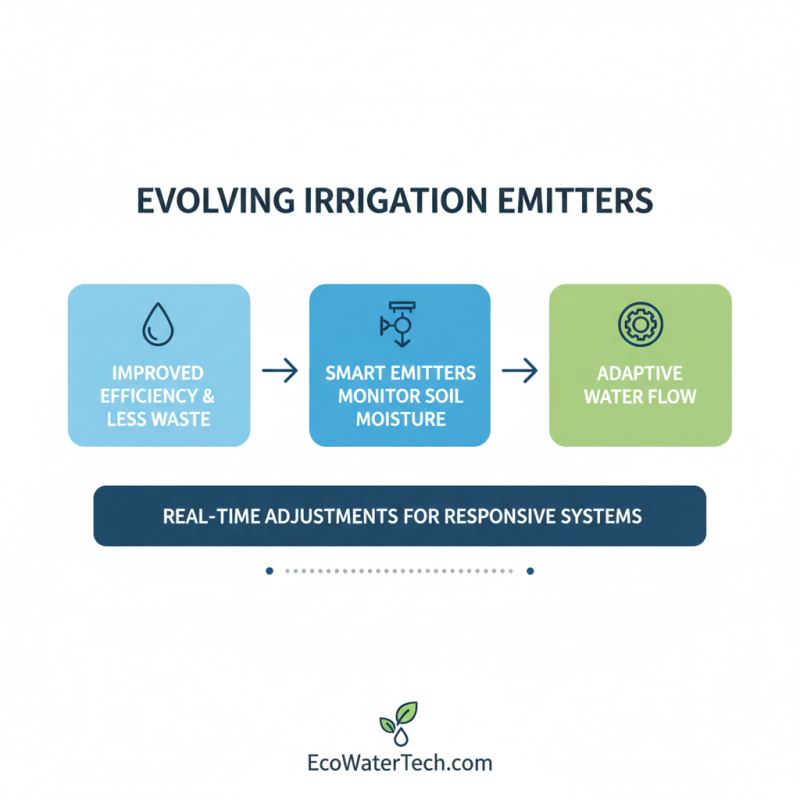
Irrigation emitters are evolving rapidly. Recent innovations focus on improving efficiency and minimizing water waste. Smart emitters now monitor soil moisture levels. They adjust the water flow based on these readings. This technology is making irrigation systems more adaptive and responsive.
Future trends indicate a shift towards sustainability. New materials are being developed to create durable emitters. These materials can withstand harsh conditions and reduce environmental impact. Moreover, integrating renewable energy sources could provide power to automated systems, enhancing their effectiveness. However, there are challenges. Not all farmers have access to this technology. Training is also required to ensure proper use.
Additionally, the use of data analytics plays a crucial role. Data collected from emitters can improve decision-making. Predictive analytics helps in water management. Yet, implementing such technologies requires significant initial investment. Cost is a barrier for many. The path ahead is complex but essential for sustainable agriculture.