Top 10 Sprinkler Irrigation Parts You Need to Know?
When it comes to effective watering, understanding "Sprinkler Irrigation Parts" is crucial. Renowned irrigation expert John Smith once stated, “Knowing your parts is key to a successful system.” This highlights the importance of each component in achieving optimal irrigation.
Each part serves a unique purpose. For instance, sprinkler heads distribute water evenly across your landscape. Valves control the flow and pressure. Without these essential components, a system becomes inefficient and wasteful. Often, people overlook small parts, which can lead to bigger issues in the long run.
Investing time to learn about these parts can save resources. Each detail matters—understanding them prevents costly mistakes. Unfortunately, many tend to rush through setup or ignore maintenance. Reflecting on our practices can improve our irrigation efficiency and sustainability.
Essential Components of Sprinkler Irrigation Systems
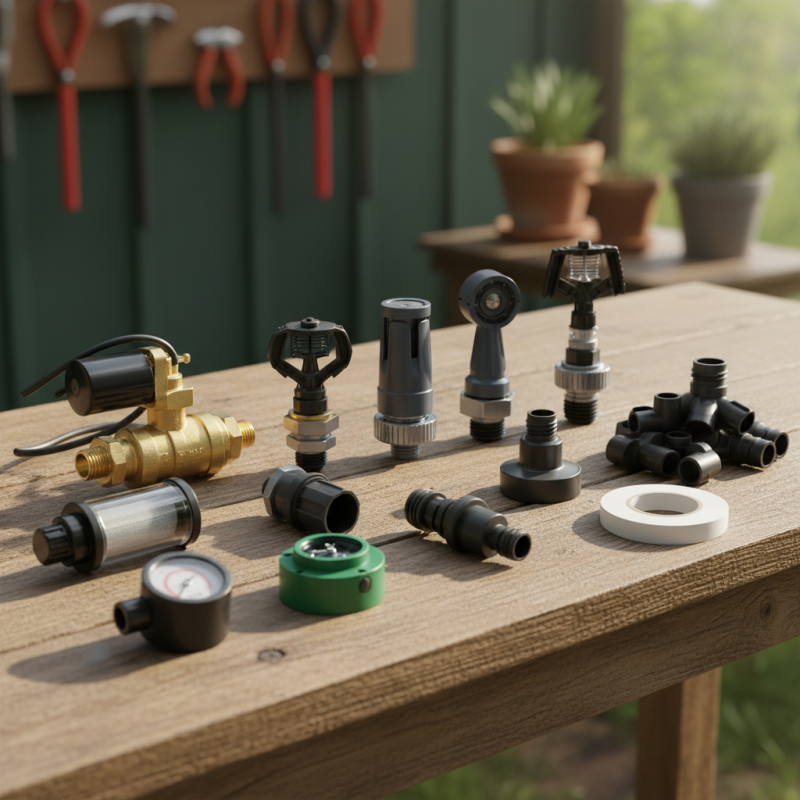
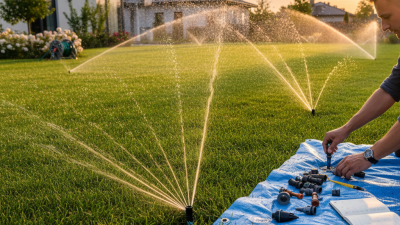
Sprinkler irrigation systems contain several essential components that play crucial roles. One key part is the sprinkler head. This piece distributes water evenly across the field. Sprinkler heads come in various types, such as stationary and rotating. It’s essential to choose the right type based on the landscape. Different areas may require different coverage patterns.
Another important component is the valve. Valves control the flow of water in the system. They can help manage pressure and ensure even distribution. A malfunctioning valve can lead to dry patches. This highlights the importance of regularly checking and maintaining each part. Furthermore, the piping system is the veins of the irrigation network. Pipes connect all components, allowing water to travel from the source to the desired areas. Damage or leaks in the pipes can cause significant water waste.
Filters are also essential. They prevent sediments from clogging the system. Dirty water can affect performance and harm plants. Regular cleaning should not be overlooked. Inadequate maintenance of filters and other parts may lead to inefficient irrigation. Instead of a lush garden, you may end up with brown and dried-out patches.
Top 10 Sprinkler Irrigation Parts You Need to Know
| Part Name |
Description |
Function |
Material |
| Sprinkler Head |
The component that distributes water over the area. |
Water Distribution |
Plastic or Metal |
| Control Valve |
Regulates water flow in the system. |
Flow Regulation |
Brass or PVC |
| Backflow Preventer |
Prevents contaminated water from flowing back into the supply. |
Prevention |
Brass or Plastic |
| Pipe |
Conveys water from the source to the sprinkler heads. |
Water Transport |
PVC or Polyethylene |
| Fittings |
Connects different sections of pipe and accessories. |
Connection |
Plastic or Metal |
| Pressure Regulator |
Maintains optimal water pressure in the system. |
Pressure Control |
Plastic or Brass |
| Timer/Controller |
Automates the watering schedule. |
Automation |
Plastic |
| Filter |
Removes debris from water to prevent clogging. |
Protection |
Plastic or Stainless Steel |
| Nozzle |
Determines the spray pattern and distance of water distribution. |
Water Distribution |
Plastic |
| Stake |
Holds the sprinkler head in place. |
Support |
Plastic or Metal |
Types of Sprinkler Heads and Their Functions
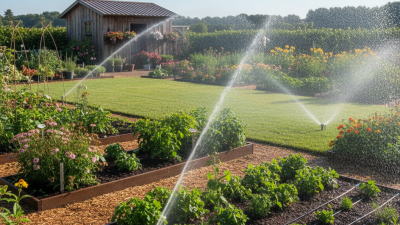
Understanding the different types of sprinkler heads is essential for effective irrigation. Spray heads are common in residential gardens. They deliver a fine mist over a specific area. These heads are great for flower beds and small lawns. However, they may not cover larger spaces effectively.
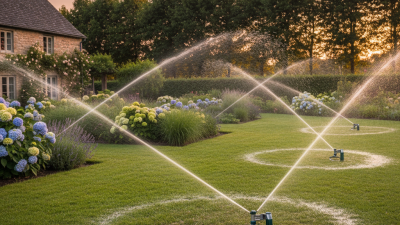
Rotary heads, on the other hand, rotate to provide a wider coverage. They release larger droplets, making them ideal for larger lawns. While they conserve water, they can leave dry spots if not positioned correctly. Then we have soaker hoses. They slowly release water along their length. This method is less efficient for large areas but fantastic for vegetable gardens.
Let’s not forget drip irrigation systems. These customizable systems target plants precisely. They're efficient but can require frequent maintenance. If you don’t check the emitters, they can clog. Understanding these nuances is key to maximizing your irrigation efforts. The right choice of head can transform your garden. The wrong setup might lead to wastage or inadequate watering.
Top 10 Sprinkler Irrigation Parts You Need to Know
Understanding Sprinkler Valves and Their Importance
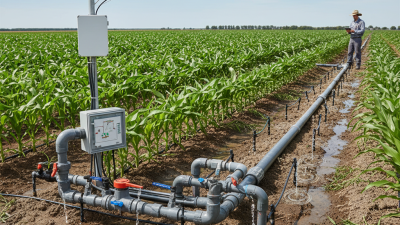
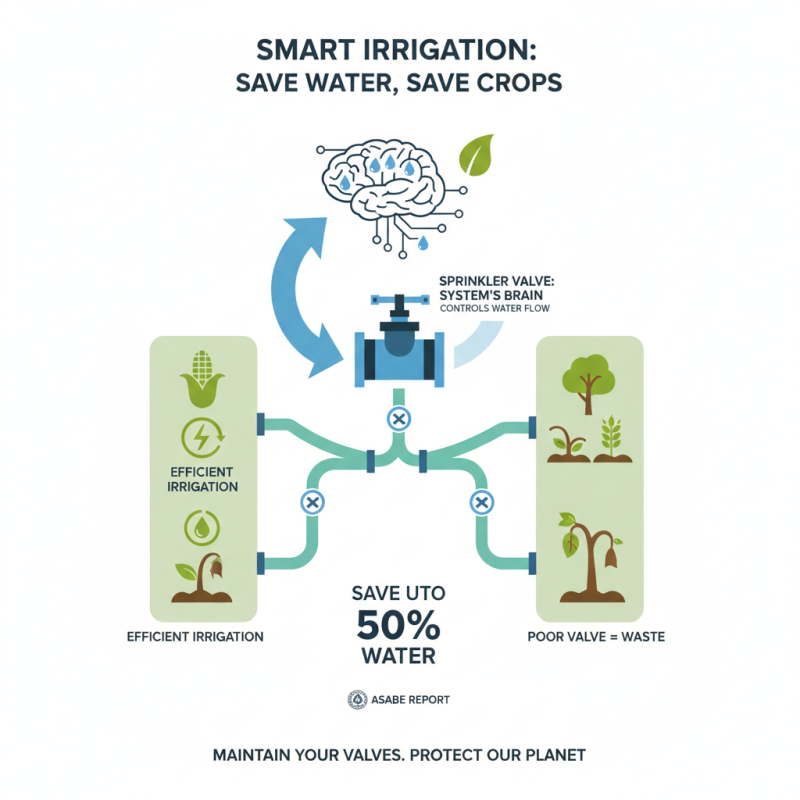
Sprinkler valves play a critical role in irrigation systems. They serve as the brain of the system, controlling water flow to various zones. A poorly functioning valve can lead to water wastage. American Society of Agricultural and Biological Engineers reports that efficient irrigation can save up to 50% water in crop production. This highlights the importance of maintaining functional valves.
Understanding the types of sprinkler valves is essential. There are typically two main categories: automatic and manual. Automatic valves integrate with timers and sensors, adapting to weather conditions. Manual valves rely on direct human operation. While automatic systems enhance efficiency, they can fail without proper maintenance. Surprisingly, research indicates that nearly 30% of irrigation systems are not regularly inspected, risking losses.
Moreover, valves need to be sized correctly. An improperly sized valve may restrict water flow. This often leads to uneven water distribution in the field. A report by the Irrigation Association stresses this can reduce crop yield by up to 25%. Hence, ensuring that valves are both functional and appropriately sized is crucial for any irrigation project. Neglecting this can lead to unexpected challenges, impacting overall efficiency.
The Role of Controllers in Irrigation Management
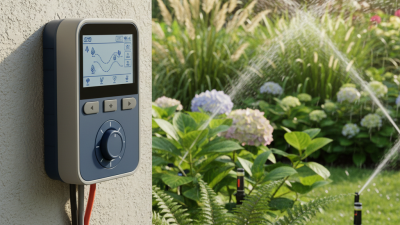
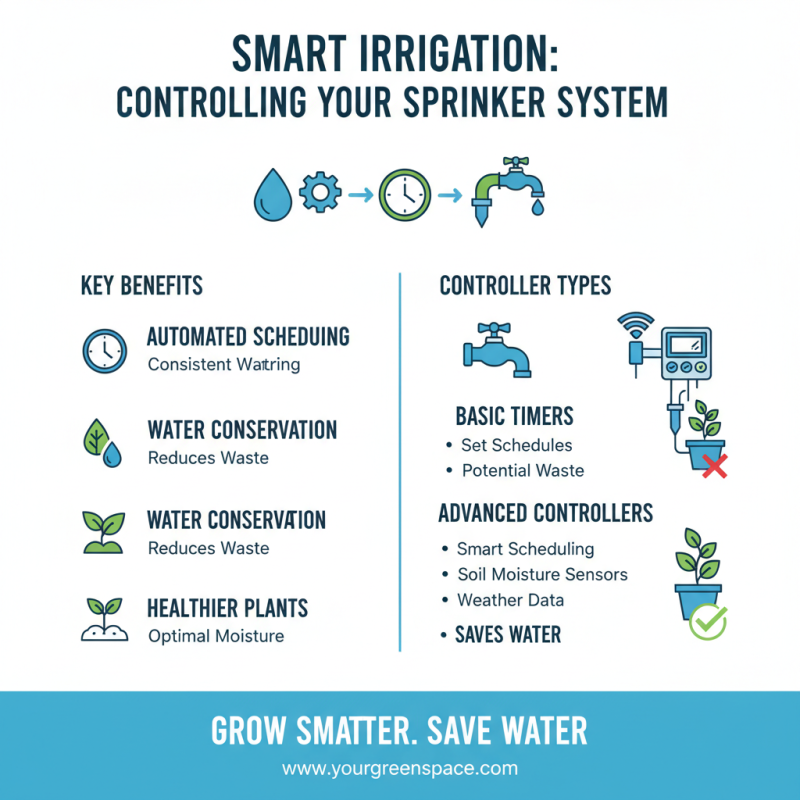
Irrigation controllers play a crucial role in managing sprinkler systems effectively. They automate the watering schedules, ensuring plants receive the right amount of moisture. A well-set timer can save water and promote plant growth. However, not all controllers are created equal. Some models may lack features like soil moisture sensors, which can lead to overwatering or underwatering.
When choosing a controller, consider its user interface. A complicated setup can lead to frustration. Some controllers come with smart features. They can adjust watering based on weather conditions. This is a positive step towards water conservation. Yet, users may find these technology-driven solutions intimidating at first.
It's essential to regularly check your controller settings. Environmental changes can impact water needs. Through consistent adjustments, you can optimize your irrigation system. Remember, even the best controller requires monitoring. Investing in high-quality components will support your garden, but incorrect usage could lead to wasted resources. Aim for a balance between technology and personal oversight for best results.
Common Accessories for Enhancing Sprinkler Systems
Sprinkler irrigation systems greatly benefit from various accessories. These enhancements can optimize water usage and improve crop health. A recent study highlights that using appropriate accessories can increase water efficiency by up to 25%. This is significant in areas facing water scarcity.
One essential accessory is a pressure regulator. This device helps maintain consistent water pressure, ensuring even distribution. If pressures fluctuate, some plants may receive too much water while others get too little.
Another key component is a filter system. Filters prevent debris from clogging the sprinkler heads, which can lead to uneven watering. Regular maintenance and timely replacement of these filters are crucial for optimal performance.
Rain sensors are also gaining popularity. They stop the irrigation system during rainfall, helping to conserve water. However, reliance on technology can sometimes lead to over-automation. Such issues may lead to under-watering or over-watering if the sensor fails. Understanding these accessories and their potential pitfalls is essential for any serious gardener or farmer aiming for an effective irrigation system.