Top 10 Fixed Sprinkler Heads for Global Buyers
Choosing the right Fixed Sprinkler Heads is not a simple catalogue exercise. Global buyers must compare response type, temperature rating, K-factor, thread size, finish, and certification. A head installed beneath a 2.4-metre office ceiling faces different risks from one protecting a cold warehouse. Small details matter.
NFPA’s U.S. Experience with Sprinklers report found that sprinklers operated in 92% of reported structure fires large enough to activate them. When they operated, they controlled the fire effectively in 97% of cases. These figures support confidence, but they do not remove the need for correct design and maintenance. NFPA 13 also stresses hydraulic calculations, spacing, obstruction control, and compatible components. FM Global data sheets provide additional guidance for higher-risk industrial environments.
Robert Solomon, former director of Building Fire Protection Systems at NFPA, offers a practical warning: “A sprinkler head is only as reliable as the system supporting it.” That sentence deserves attention. A premium head cannot compensate for poor water supply, blocked discharge patterns, corrosion, or unsuitable storage arrangements.
This Top 10 guide examines Fixed Sprinkler Heads for international purchasing decisions. It considers certification, installation flexibility, durability, replacement access, and total ownership cost. Listings and market claims can be incomplete. Some products look similar but perform differently under tested conditions. Buyers should verify approvals from recognized bodies, including UL, FM, or equivalent regional authorities. The best choice is rarely the cheapest item. It is the head that matches the hazard, system design, climate, and maintenance capability.
What Fixed Sprinkler Heads Are and How They Work
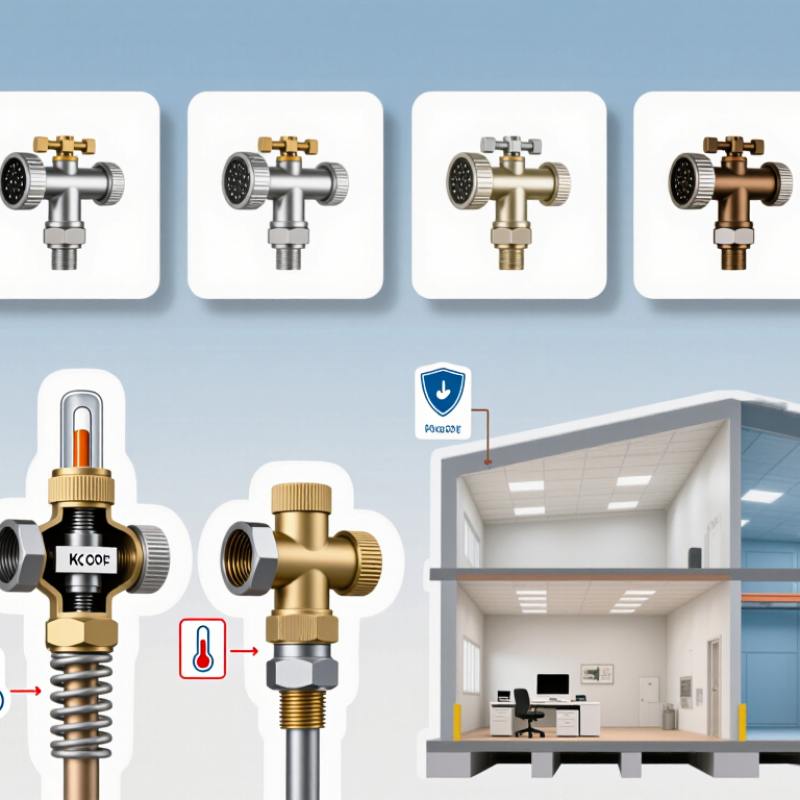
Fixed sprinkler heads are stationary outlets connected to a pressurized water supply. Each head has an inlet, a deflector, and a heat-sensitive element, commonly a glass bulb or fusible link. When nearby heat reaches the head’s rated temperature, the element releases the seal. Water then strikes the deflector and spreads across a defined area. Only heads exposed to sufficient heat typically open; the whole system does not discharge at once. That distinction matters when assessing coverage.
NFPA’s 2021 report, U.S. Experience with Sprinklers, analyzed reported U.S. structure fires from 2015 to 2019. In fires large enough to activate sprinklers, systems operated in 92% of cases; when they operated, they were effective in 96%. These figures describe reported fires, not a guarantee for every building or installation. Fit matters. A head can be obstructed by a beam, storage, or a ceiling feature, changing how water reaches a fire. During site reviews, check the head’s temperature rating, spacing, orientation, and clearance against the system design and applicable standards. Small details can be easy to miss. Data gives useful context, but it cannot replace a qualified inspection or the installation documents.
Key Types and Features of Fixed Sprinkler Heads
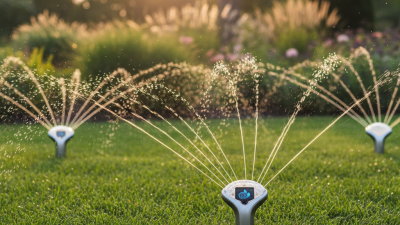
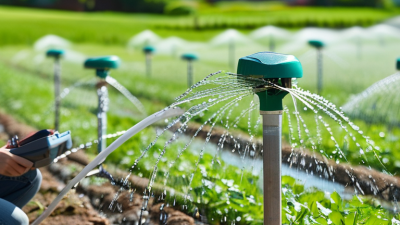
Fixed sprinkler heads deliver water through stationary nozzles rather than rotating bodies. Fixed spray heads suit compact lawns, narrow planting beds, and areas with clear boundaries. Their fan-shaped patterns can cover corners well, but they often apply water quickly. On clay soil, that may cause runoff before moisture reaches the roots. Shorter watering cycles can help.
Rotary nozzles fit many standard spray-head bodies and send thicker streams across wider areas. They generally apply water more slowly, which can be useful on slopes or less absorbent soil. Micro-spray heads serve small beds and dense plantings, though leaves and wind can interrupt their patterns. Bubbler-style heads direct water near individual trees or shrubs. Less drift. Each type has limits.
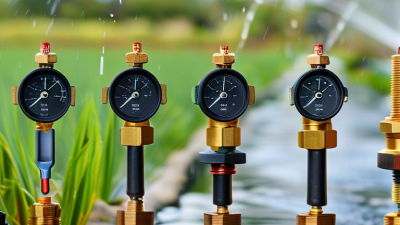
Useful features include adjustable arcs, interchangeable nozzles, and built-in screens that catch grit. Check the stated operating pressure and flow rate; a head that looks suitable may perform poorly on an undersized line. Match precipitation rates across a watering zone to avoid soggy patches beside dry ones. Durable polymer bodies resist corrosion, while accessible filters make maintenance less awkward. In practice, even a carefully selected head can need adjustment after plants grow or soil settles. That detail is easy to overlook.
Representative K-Factors by Fixed Sprinkler Head Type
K-factor describes the relationship between sprinkler discharge and water pressure. Values shown are representative examples in U.S. customary units (gpm/√psi); available K-factors vary by model and listing. Confirm product specifications and applicable codes when selecting a sprinkler.
Criteria for Comparing Sprinkler Heads Across Global Markets
Comparing fixed sprinkler heads across global markets starts with the installation, not the catalog photograph.
Check the required response type, temperature rating, K-factor, and mounting orientation against the project’s hydraulic design. A compact pendent head may suit a low ceiling, while an upright model can be better for exposed pipework. Small details matter.
Confirm that product documentation clearly states coverage limits, operating pressure, materials, and compatible finishes. Approval requirements differ by market, so verify accepted certifications with the local authority and project engineer rather than assuming one certificate travels everywhere. Ask for traceable test records and consistent model identification. Paperwork counts.
Durability deserves a close look. In coastal or humid locations, corrosion resistance may matter more than a polished appearance; dusty sites can make maintenance access a practical concern. Compare lead times, replacement availability, packaging protection, and the supplier’s technical support, too. A low purchase price can become less attractive if spare heads are difficult to source. No comparison table captures every installation, and even careful buyers can overlook a ceiling obstruction or a change in water supply. Recheck the final selection against site drawings and qualified fire-protection advice.
Top 10 Fixed Sprinkler Heads for Global Buyers
Fixed sprinkler heads are often chosen for compact gardens, narrow borders, and small lawn sections. For global buyers, the best option depends on more than spray distance. Check the inlet size, operating pressure, spray pattern, and available replacement parts before comparing models. A head that fits one irrigation system may not connect easily to another. Measure the area, too. A short test can reveal dry corners or water landing on a walkway.
Top 10 lists are useful starting points, not universal rankings. Product performance varies with water pressure, soil slope, wind, and installation height. Look for clear technical data, durable materials, and support information in a language your team can use. Ask suppliers about flow rates and maintenance needs. Small details matter. I have seen a well-chosen head underperform simply because its nozzle was partly blocked; rankings rarely mention that.
Tips: Test one head before ordering in bulk. Set it level with the soil, then run the system and inspect the edges. Clean clogged openings gently, and adjust the spray away from walls and paths. Keep the packaging and specifications for later replacements. It is easy to overlook this step. A brief field test may be imperfect, but it often catches costly mismatches early.
How to Evaluate Compatibility, Compliance, and Long-Term Value
A fixed sprinkler head is not a universal fit. Check its K-factor, temperature rating, response type, orientation, and connection size against the system design. A head that looks correct may deliver the wrong flow or clash with a ceiling, pipework, or nearby obstruction. Small details matter. Confirm approved pressure ranges and materials for the site’s humidity, water quality, and corrosion exposure. Then verify that product listings and installation requirements match the destination market and the project’s applicable standards.
Compatibility is only part of the decision. NFPA’s 2021 U.S. Experience with Sprinklers report found that sprinklers operated in 92% of fires large enough to activate them, and were effective in 96% of fires where they operated. These figures describe reported U.S. fire incidents; they are not a guarantee for every system or building. For buyers, they underline the value of correct selection, installation, inspection, and maintenance. Compare warranty terms, replacement availability, documented test results, and the cost of routine servicing—not just purchase price. I would still ask for traceable certification documents and independent test evidence; paperwork can be incomplete, and assumptions are easy to make. A cheaper head is poor value if its specifications or approvals cannot be verified.