Top 10 Irrigation System Valves for Global Buyers?
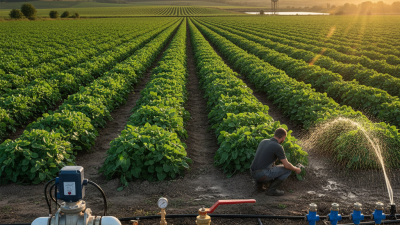
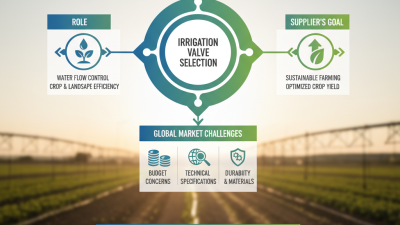
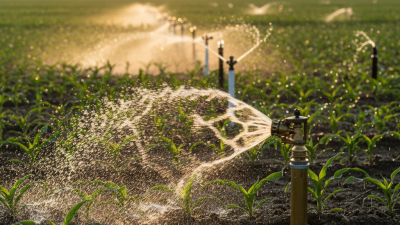
In the world of agriculture, effective irrigation is vital. Choosing the right Irrigation System Valve can significantly enhance water management. These valves control water flow and pressure, ensuring crops receive the necessary hydration. With countless options available, identifying suitable valves can be challenging for global buyers.
Understanding different types of Irrigation System Valves is crucial. Some are designed for specific irrigation techniques. Others cater to various crops and soil conditions. This complexity calls for careful consideration of functionality and durability. Many buyers may overlook these factors, leading to suboptimal irrigation performance.
Investing in quality valves not only improves efficiency but also reduces long-term costs. However, navigating the market requires expertise. Buyers should seek reliable information and trusted brands. Reflecting on past experiences can also guide future choices, ensuring a wiser investment in irrigation solutions.
Overview of Irrigation System Valves and Their Importance
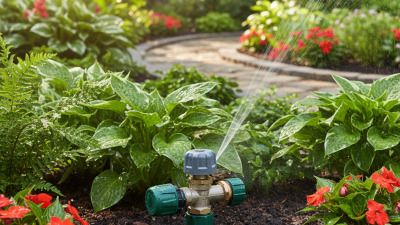
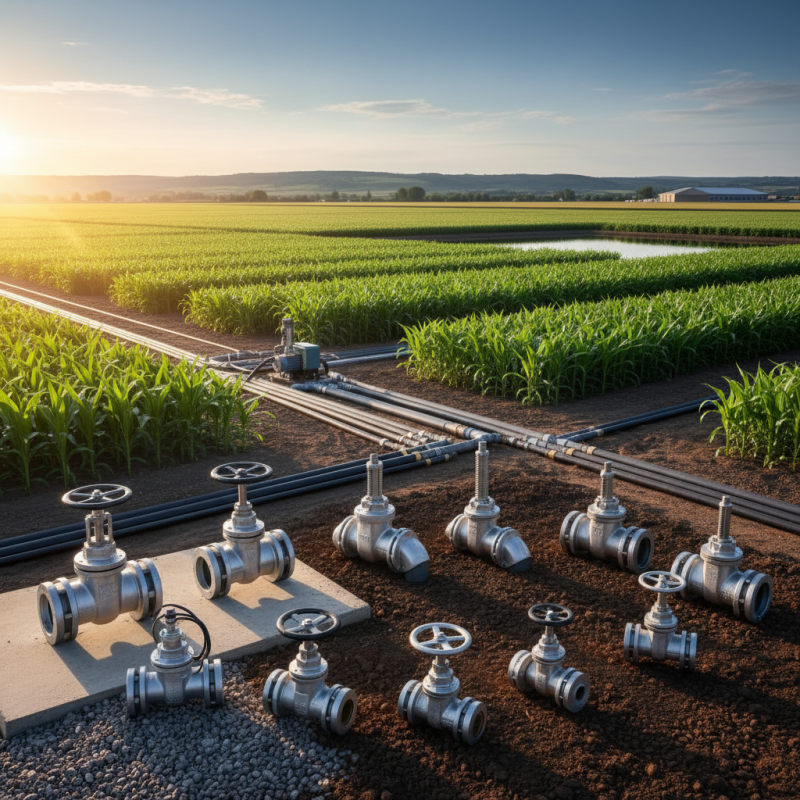
Irrigation system valves play a crucial role in managing water flow for agricultural and landscaping needs. They regulate pressure and control the distribution of water. Properly functioning valves can make a significant difference in water efficiency and crop yield. They ensure that plants receive the right amount of water at the right time.
The design of these valves can vary significantly. Some are manual, while others are automated, responding to soil moisture levels or weather conditions. Understanding which type suits your needs is essential. Neglecting valve maintenance can lead to leaks and wasted resources. In addition, incorrect valve selection can hamper irrigation effectiveness.
Investing time in research is necessary. Consider factors like compatibility with existing systems and the specific needs of your crops. The right valve can facilitate better agricultural practices. A wrong choice can lead to frustration and setbacks. Continuous learning about the latest technology in irrigation can enhance your system's efficiency.
Key Features to Consider When Selecting Irrigation Valves
When selecting irrigation system valves, several key features come into play. A high-quality valve should ensure efficient water flow and durability. Look for materials like brass or PVC, known for their longevity. A study by the Irrigation Association suggests that proper material choice can extend the lifespan of a valve by up to 50%. This highlights the importance of considering the environment in which the valve will operate.
Additionally, the valve's pressure rating is crucial. Many systems face fluctuations in pressure. Valves with a higher pressure rating can better withstand these changes. According to industry reports, valves with the appropriate ratings can reduce maintenance costs by 20% over time. However, finding the right balance between price and quality can be challenging. Buyers often struggle with understanding the trade-offs involved.
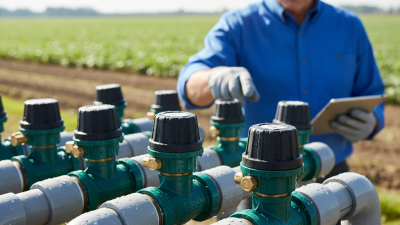
Automatic vs. manual operation is another factor to weigh. Automatic valves offer convenience, yet manual options are often more cost-effective. The decision depends on specific needs and budgets. A survey found that 70% of large-scale operations prefer automated solutions for efficiency. Yet, smaller farms frequently opt for manual valves due to lower costs. Understanding these aspects can improve decision-making in irrigation systems.
Top 10 Recommended Irrigation System Valves for Global Buyers
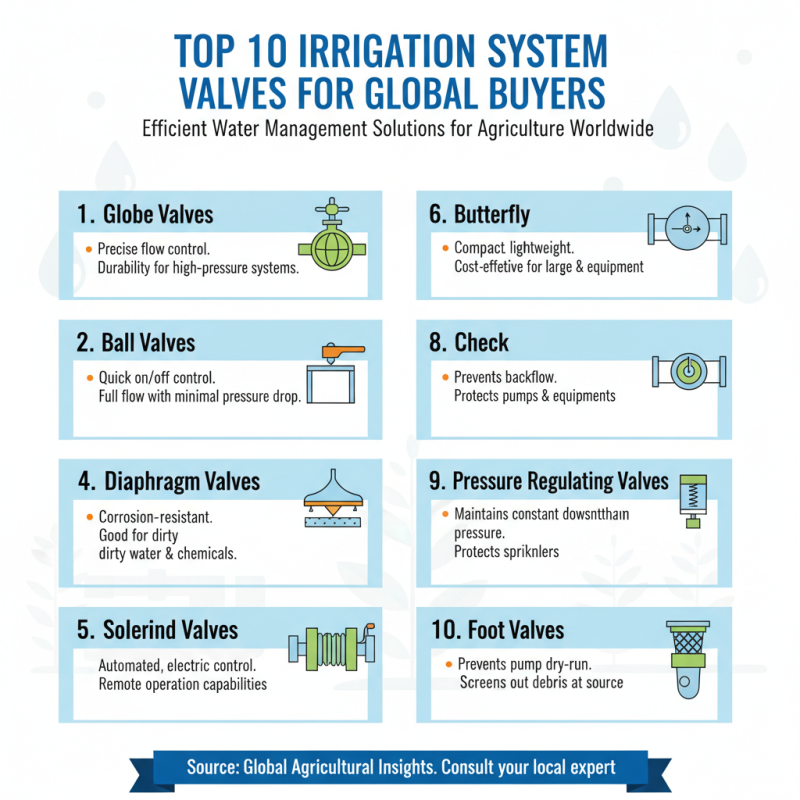
Irrigation systems are vital for efficient water management in agriculture. Selecting the right valves can significantly impact performance. Here are some recommended options for global buyers to consider when assessing their irrigation needs.
When looking for irrigation system valves, durability is crucial. Certain materials offer resistance to corrosion and wear, extending the lifespan of the valve. There are manual and automatic options, each serving specific purposes. Manual valves provide direct control, while automatic ones save time and labor. In areas with varying pressure, selecting a valve that can handle this effectively is key. Many users report issues with valve leaks, pointing to the importance of proper sealing mechanisms.
Installation can often become a challenging task. Some valves require specialized fittings and knowledge, which not all users possess. Additionally, the act of choosing the right valve size may seem straightforward, yet mistakes can lead to suboptimal performance. Reflecting on user experiences can guide new buyers to assess their unique requirements. Understanding the local climate and soil conditions is just as important as plumbing knowledge. These considerations will help buyers make informed decisions about their irrigation systems.
Comparative Analysis of Valve Performance and Durability
When selecting irrigation system valves, performance and durability are critical factors. A high-performing valve ensures efficient water delivery. Durability indicates how well it withstands environmental factors. Many buyers overlook the impact of materials used in construction.
Some materials may corrode over time, leading to expensive repairs.
Testing different valve types reveals considerable variations. Plastic valves are lightweight and resistant to corrosion. However, they may not endure extreme pressures. Metal valves, while stronger, can rust if not properly coated. Users often find themselves compromising durability for performance. A valve that works well now might fail quickly if not built for longevity.
Regular maintenance is essential for extending valve lifespan. Inspect for leaks and signs of wear at least quarterly. Buyers commonly underestimate maintenance costs, leading to frustration. Selecting top-quality products can mitigate these issues. Understanding each valve's strengths and weaknesses enhances the decision-making process. This knowledge ultimately fosters more sustainable irrigation practices.
Maintenance Tips for Maximizing the Lifespan of Irrigation Valves
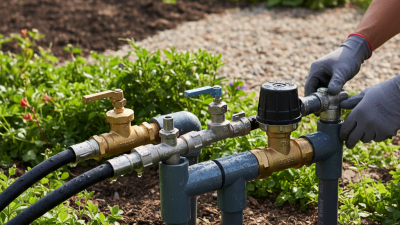
Irrigation valves play a crucial role in maintaining an efficient watering system. To ensure their longevity, regular maintenance is essential. Inspecting the valves regularly for leaks or corrosion can save you from bigger issues later. Clean the valve surfaces and surrounding areas to prevent dirt buildup, which can lead to malfunction.
Consider the environment where your valves operate. Extreme temperatures can affect their performance. Insulate valves in colder climates to prevent freezing. In warmer areas, shade can help reduce heat stress. These simple steps can significantly extend the life of your irrigation system.
Another tip involves checking the functionality of each valve. Manually test them at least once a season. This helps identify problems early, such as blockages or failures. A proactive approach will lead to better operational efficiency. Remember, neglecting maintenance might lead to costly repairs or system replacements.
Top 10 Irrigation System Valves Performance Comparison
The chart above displays the lifespan of the top 10 irrigation system valves, showcasing the average years each valve type typically lasts in optimal conditions. Regular maintenance can significantly extend these lifespans.