
 +86-18158270618
0102030405
Beyond Sprinklers The Versatility of Irrigation Swing Joints
2025-11-11
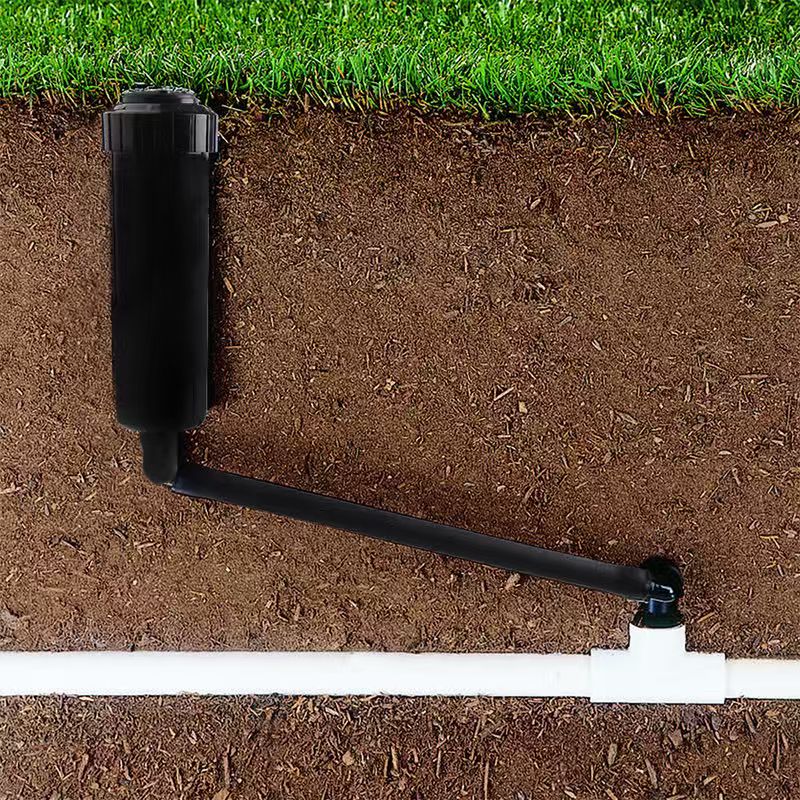
I see an irrigation swing joint as a crucial, flexible connector. It links the underground lateral pipe to the sprinkler head. Its primary purpose is to allow precise positioning of the sprinkler. This flexibility is essential. It protects the entire Irrigation System, ensuring longevity and adaptability.
Key Takeaways
- Swing joints connect sprinklers to pipes. They allow sprinklers to move. This helps place sprinklers correctly.
- Swing joints protect pipes. They absorb bumps and ground movement. This stops pipes from breaking.
- Swing joints make repairs easy. They let you fix sprinklers without digging up main pipes. This saves time and effort.
Core Applications and Benefits of Irrigation Swing Joints
Flexible Sprinkler Head Positioning
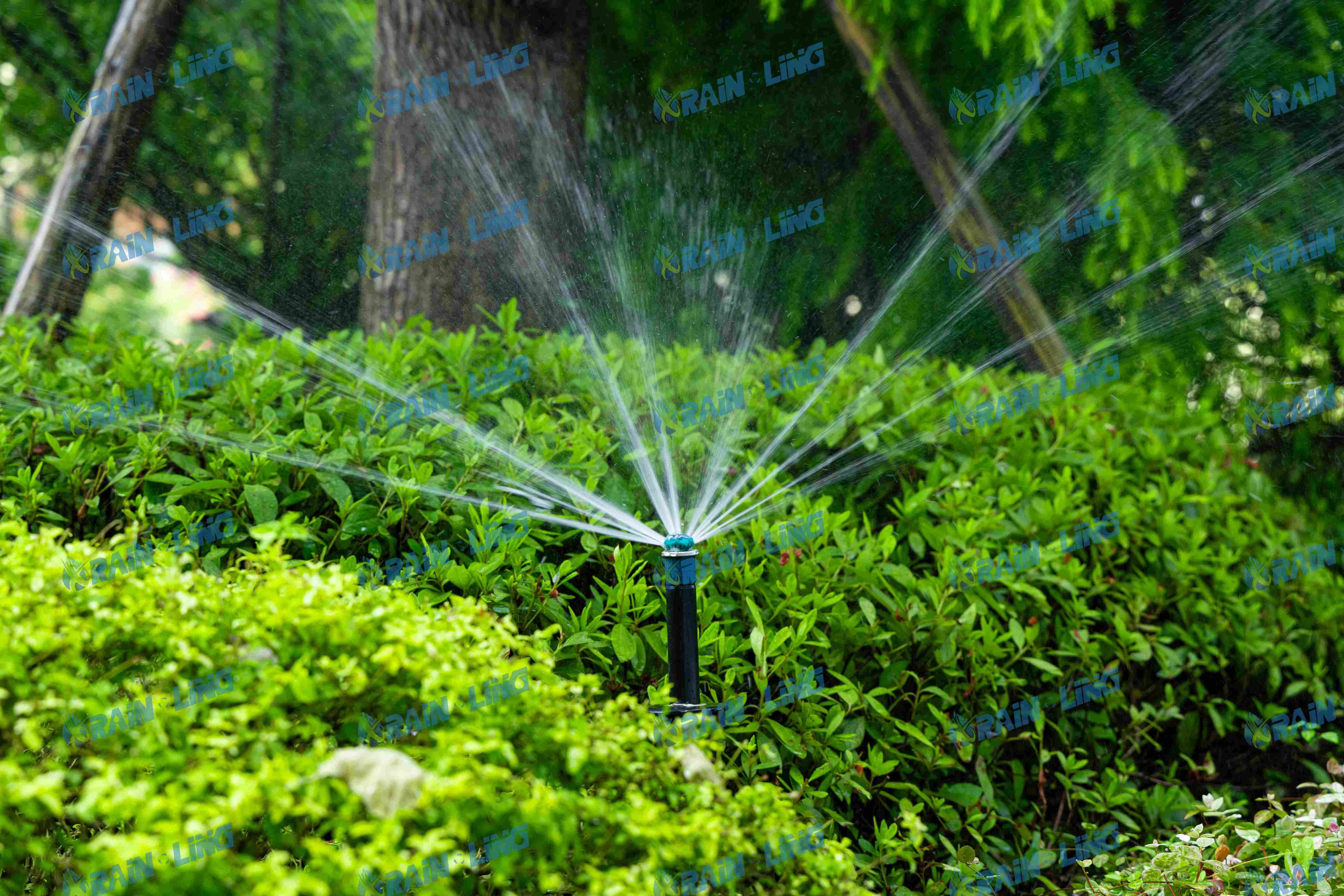
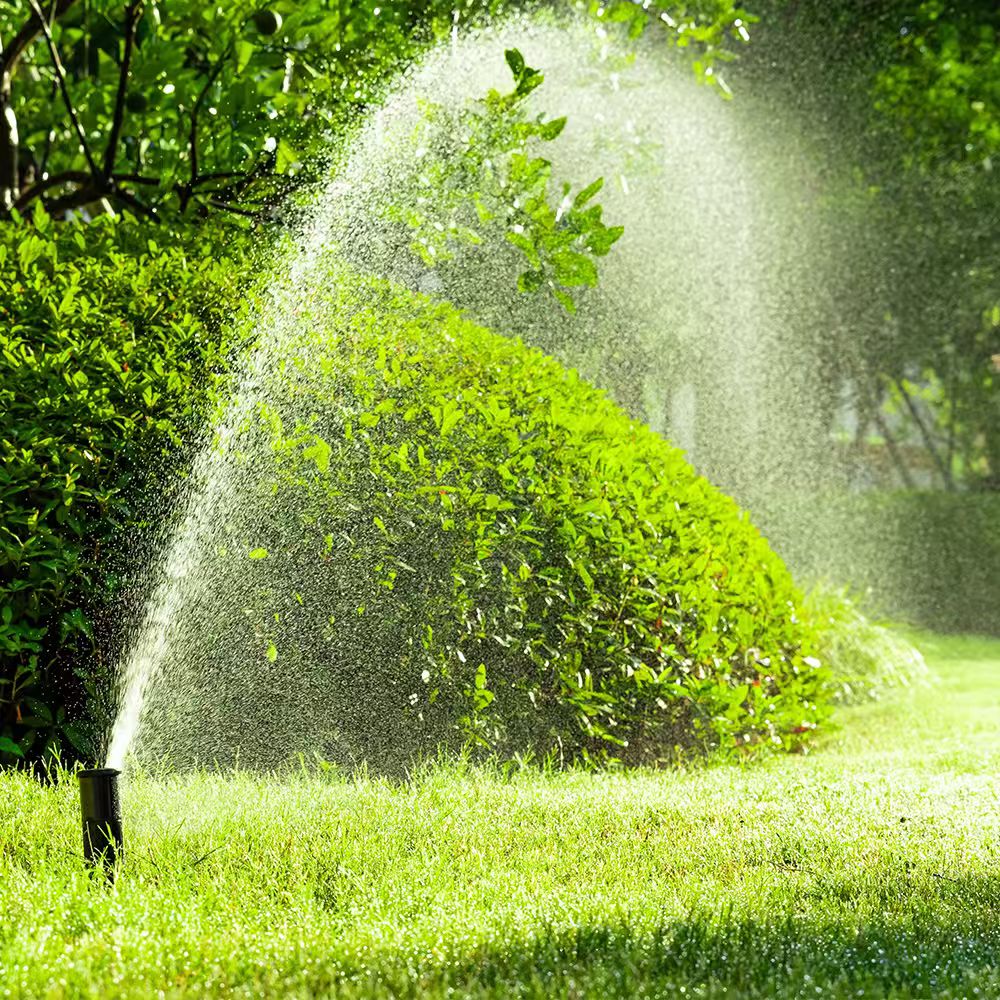
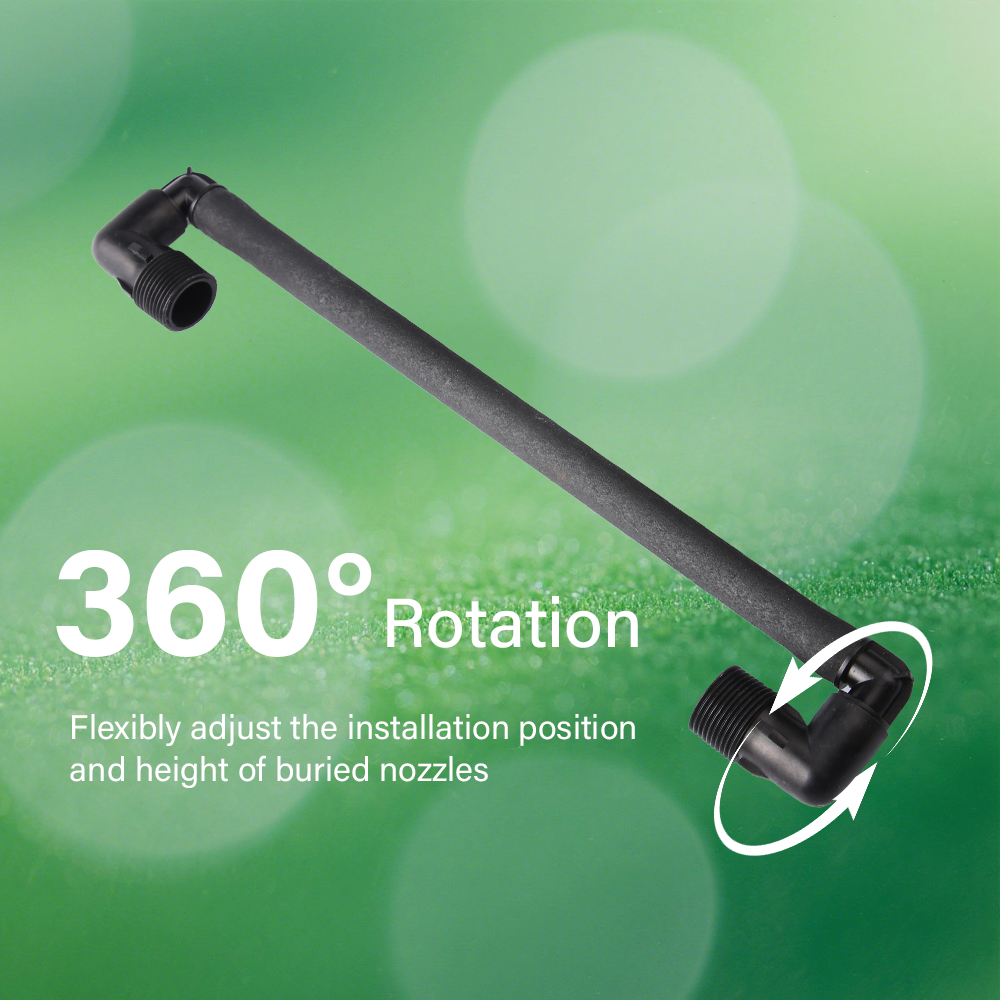
I find flexible sprinkler head positioning a major advantage of swing joints. These components allow me to precisely place Sprinkler Heads. This is crucial for effective water distribution. Swing joints, with their unique swivel elbows on both ends, make it easy to adjust sprinklers to the correct height and position in any configuration. I use them to connectpop-up sprinklers to lateral irrigation lines. They are also essential for installation in confined or restricted areas, such as those near hardscaping or immovable water meters. I can adjust sprinkler height and placement to the proper finish grade, especially on slopes or irregular terrains. This flexibility also helps me place sprinklers near walls or other landscaping elements. It allows free head movement without stressing the water pipeline. Pop-up sprinklers, rotors, and sprayer heads all benefit greatly from this flexible positioning. I see these as the common types of sprinkler heads that gain the most from this adaptability.
Preventing Damage to Irrigation Pipes
I believe swing joints play a vital role in preventing damage to irrigation pipes. They act as a buffer between the sprinkler head and the main lateral line. This buffer absorbs impacts and stresses. For example, in areas with heavy traffic, like golf courses and large lawns, lawnmowers, golf carts, and bicycles are common. Swing joints prevent damage to sprinkler heads or pipelines in these situations. If a plow strikes the funny pipe, it is easier to repair because the funny pipe is less likely to break. This flexibility protects the more rigid underground pipes from direct force. It significantly reduces the risk of costly pipe repairs. I always recommend them for any robust irrigation system.
Simplifying Maintenance and Repairs
I have found that swing joints greatly simplify maintenance and repairs. They are also known as funny pipes, and they make sprinkler installation much easier. When a sprinkler head needs replacement or adjustment, the flexibility of the swing joint allows me to work on it without disturbing the main pipe. This means less digging and less labor. If a plow strikes the funny pipe, it is easier to repair because the funny pipe is less likely to break. This feature saves time and resources. It also absorbs the impact of mowers, which implies easier maintenance after such incidents. I appreciate how they streamline the entire process, making my job more efficient.
Enhancing Irrigation System Longevity and Performance
Absorbing Ground Movement and Stress
I know ground movement is a constant challenge for any irrigation system. Soil expands and contracts with temperature changes. Frost heave in colder climates can lift the ground. Settling can occur after construction. These movements put immense stress on rigid pipes. I find swing joints are crucial here. They act as flexible buffers. They absorb these shifts. This prevents pipes from cracking or breaking. It protects the entire system from damage. This flexibility ensures the underground piping remains intact.
Adjusting for Landscape Grade Changes
Landscapes are not static. Over time, soil can erode. New plantings might raise or lower the grade. I need my sprinklers to always be at the correct height. Swing joints make this easy. I can adjust the sprinkler head up or down. This ensures optimal water coverage. It keeps the system efficient even as the landscape evolves. I find this adaptability essential for maintaining consistent performance.
Reducing Stress on Connections and Sprinkler Heads
I see significant stress on sprinkler heads and their connections. Rigid pipe connections are especially vulnerable.
When the rigid PVC pipe is used to connect the sprinkler heads to the pipeline, pressure on the sprinkler can break the head, connection, and even damage the water line. This is a major concern for me. Swing joints offer a solution. They are designed to absorb shock.
- Swing joints are designed to absorb shock from foot traffic, pressure surges, and ground movement, which reduces stress on sprinkler heads and their connections.
- Rigid PVC pipe connections, which can be threaded or glued, are prone to breaking under pressure, highlighting the benefit of flexible swing joints.
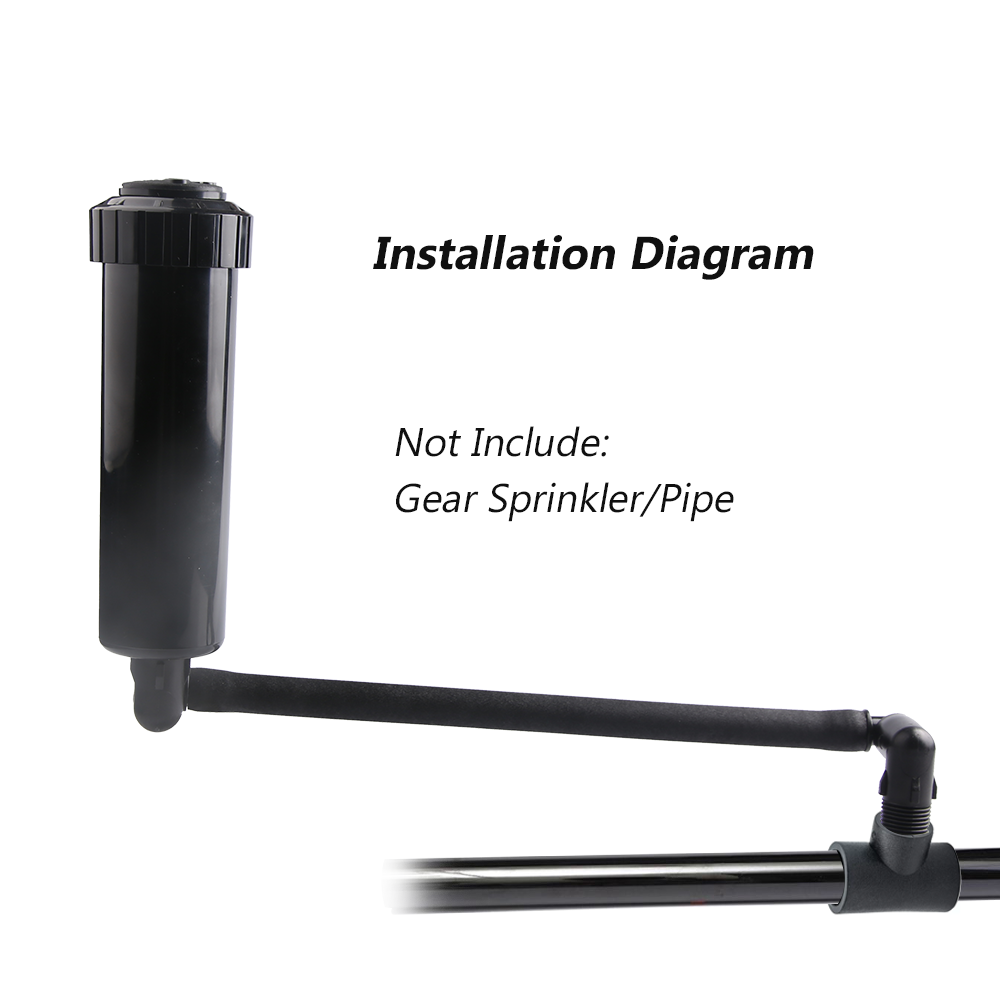
- Swing joints themselves incorporate threaded fittings on both ends, providing flexibility and protecting the supply lines from damage. I find this flexibility invaluable. It protects the entire system. It ensures long-term performance.
Practical Considerations for Irrigation Swing Joint Installation
Choosing the Right Swing Joint for Your System
I know selecting the correct swing joint is crucial. I always consider the material first. Polyethylene swing joints offer flexibility and durability. PVC options are rigid but strong. I also look at the length. Shorter joints work well in tight spaces. Longer ones provide more flexibility for deeper pipes. I match the connection type to my sprinkler heads and pipes. This ensures a secure, leak-free fit.
Proper Installation Techniques for Optimal Performance
I follow specific steps for optimal installation. First, I dig the trench to the correct depth. This protects the pipes from damage. I then connect the swing joint to the lateral pipe. I use thread sealant on all threaded connections. This prevents leaks. Next, I attach the sprinkler head to the swing joint. I ensure the swing joint is not kinked or stressed. Finally, I test the system. I check for leaks and proper sprinkler operation before backfilling.
Deciding Between DIY and Professional Installation
I often weigh DIY versus professional installation. For small residential projects, I find DIY can be manageable. It requires basic tools and a good understanding of the process. However, for larger or more complex irrigationsystems, I always recommend a professional. They possess specialized equipment and expertise. This ensures Efficient water distribution and system longevity. A professional installation often saves time and prevents costly mistakes.
I consider irrigation swing joints indispensable. They provide unmatched durability, adaptability, and efficiency for any system. Their inherent flexibility prevents costly breakages and simplifies maintenance, ensuring superior long-term performance. I strongly encourage integrating these components for optimal irrigation outcomes, saving both time and resources.
FAQ
What is the main purpose of an irrigation swing joint?
I use swing joints to connect sprinkler heads to the main pipe. They allow flexible positioning. This protects the system from damage and simplifies maintenance.
Can I install irrigation swing joints myself?
I find DIY installation possible for small projects. For larger or complex systems, I recommend professional help. This ensures proper function and longevity.
What materials are irrigation swing joints typically made from?
I commonly see swing joints made from polyethylene or PVC. Polyethylene offers flexibility. PVC provides strength. I choose based on specific system needs.