
 +86-18158270618
0102030405
How to Choose the Right Garden Gear Sprinkler for Large-Scale Lawns
2025-07-01
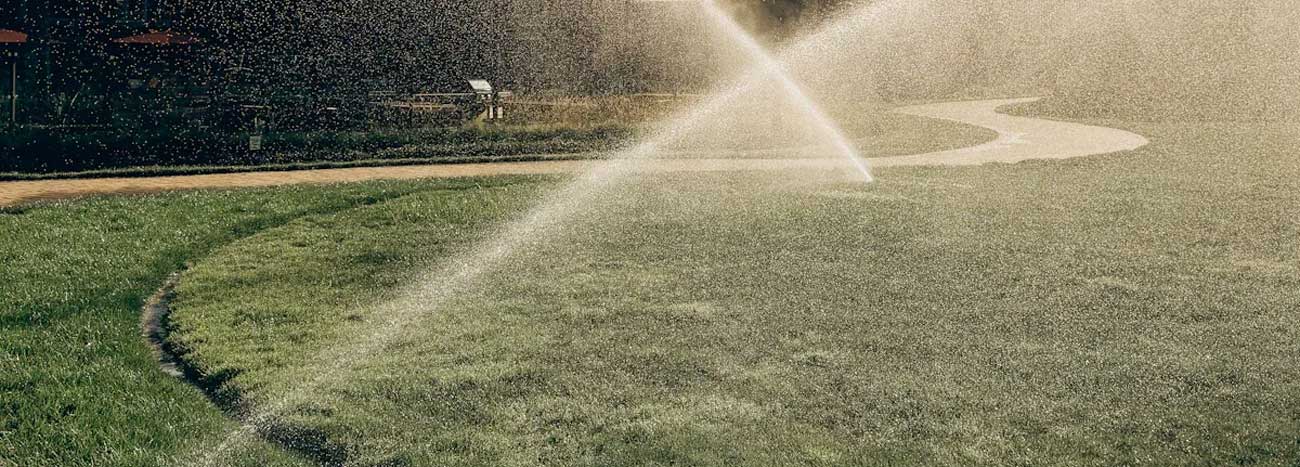
When I select a garden Gear Sprinkler for my large lawn, I look for models like those from LINGXING. These sprinklers deliver wide, even coverage and help me save water and money.
● Smart Irrigation technology can cut household water use by up to 50% and prevent costly waste.
Key Takeaways
● Choose the right sprinkler type based on your lawn's size, shape, water pressure, soil, and climate to ensure even watering and save water.
● Gear drive, impact, and Rotary Sprinklers each offer unique benefits like quiet operation, wide coverage, and efficient water use for large lawns.
● Regularly maintain your Sprinkler System by checking heads, cleaning nozzles, and adjusting schedules to keep your lawn healthy and reduce water waste.
Best Garden Gear Sprinkler Types for Large Lawns
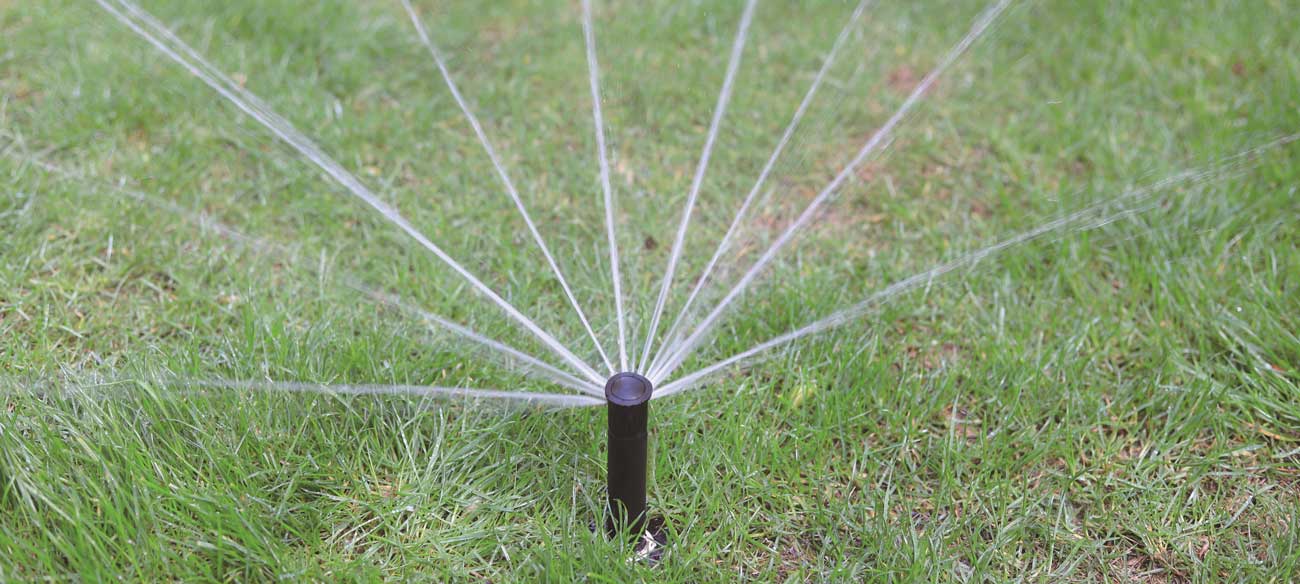
Gear Drive Sprinklers (e.g., LINGXING)
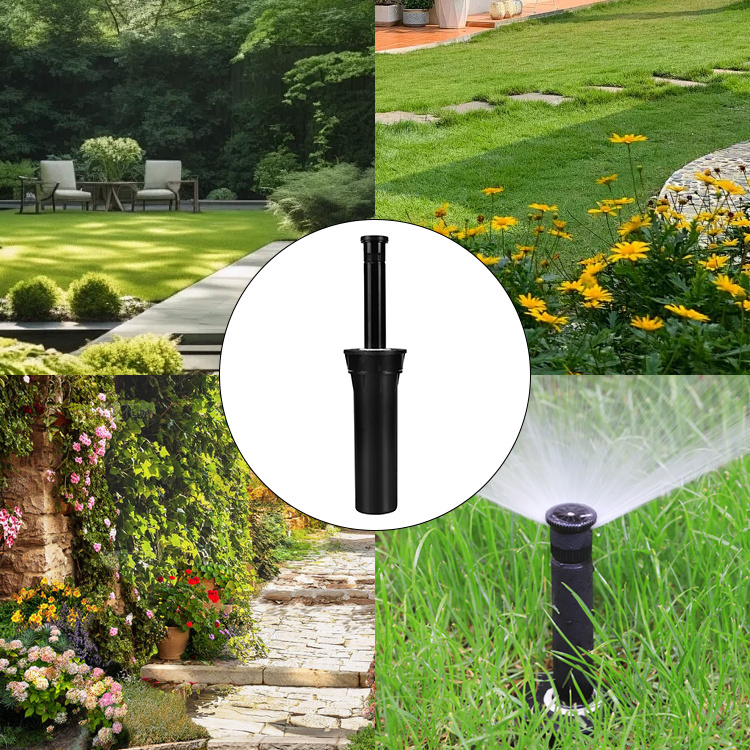
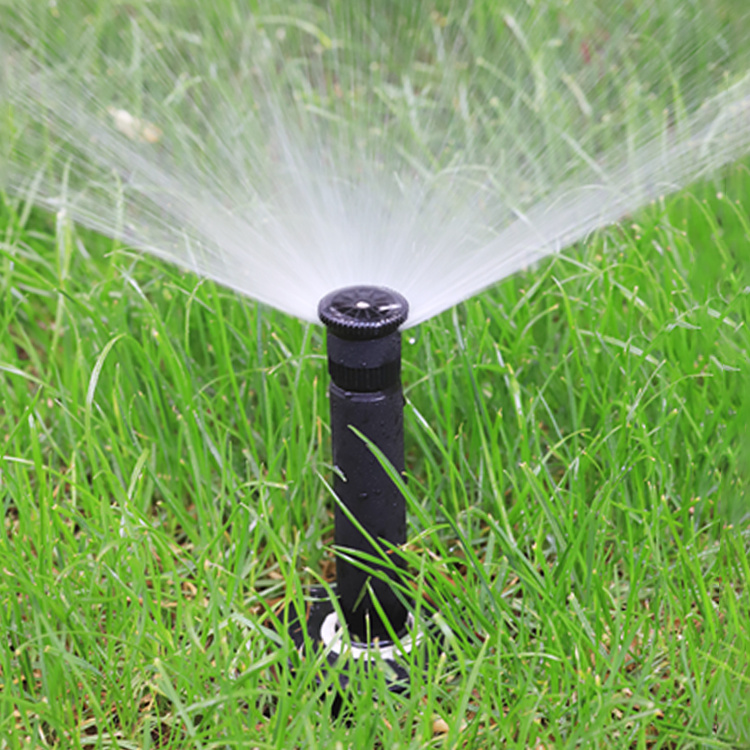
When I manage a large lawn, I often choose gear drive sprinklers like those from LINGXING. These models operate quietly and deliver consistent, even water coverage. Their internal gears rotate the sprinkler head smoothly, which helps prevent puddling and dry spots. I appreciate their durability and low maintenance needs. Gear drive sprinklers work well with automated systems, making them a reliable garden gear sprinkler choice for expansive areas.
Impact Sprinklers
I have found impact sprinklers to be highly effective for large lawns. Their unique hammer mechanism creates a rhythmic, far-reaching spray. This design allows them to cover wide areas, including slopes and irregular shapes. The average cost of a residential sprinkler system is about $2,532, but impact sprinklers offer a strong return on investment—up to 86% added to home value. Many homeowners report healthier lawns and lower water bills after switching to impact models. Underground systems using these heads can save 20-50% on water bills compared to above-ground setups.
Tip: Impact sprinklers adapt well to different water pressures and can handle tough conditions, making them a smart pick for challenging landscapes.
Rotary Sprinklers
Rotary sprinklers stand out for their uniform water distribution. I rely on them when I want to avoid overwatering or underwatering. Their advanced nozzles and pressure regulation ensure efficient water use. High-quality materials give these sprinklers a long lifespan, which is essential for extensive lawn care. Market research shows rotary sprinklers dominate the $1.32 billion water sprinkler market, thanks to their efficiency and durability.
Comparison of Features, Pros, and Cons
| Sprinkler Type | Cost per Head | Flow Rate (GPM) | Coverage Area | Durability | Best For |
| Gear Drive (LINGXING) | $20 - $35 | 0.5 - 5.0 | 40-80 ft radius | High | Large, even lawns |
| Impact | $15 - $25 | 1.5 - 8.4 | 48-100+ sq ft radius | High | Slopes, irregular areas |
| Rotary | $15 - $25 | 1.5 - 8.4 | 40-90 ft radius | High | Uniform coverage |
I always match the garden gear sprinkler type to my lawn's needs. Gear drive models like LINGXING excel in quiet, even watering. Impact sprinklers offer adaptability and strong coverage. Rotary sprinklers provide precise, efficient irrigation for large spaces.
How to Choose the Right Garden Gear Sprinkler for Your Lawn
Measuring Lawn Size and Shape
When I plan my irrigation system, I always start by measuring the size and shape of my lawn. I use a tape measure or a digital mapping tool to calculate the total square footage. This step helps me determine how many sprinkler heads I need and where to place them for even coverage. I learned from an empirical study in Xianyang, China, that different grass types and mowing heights require specific watering regimes. For example, drought-tolerant grasses like Zoysia or Buffalo need less frequent watering, which influences my choice of sprinkler and its placement.
● I consider the lawn's contours, slopes, and any irregular shapes.
● I map out obstacles like trees, flower beds, or walkways.
● I note that larger or oddly shaped lawns may require more flexible sprinkler types, such as rotary or gear drive models.
Tip: Matching the sprinkler layout to the lawn's unique characteristics ensures uniform watering and prevents dry spots or puddling.
Checking Water Pressure and Flow Rate
I always check my home's water pressure before selecting a garden gear sprinkler. Most residential irrigation systems work best within specific pressure ranges. For example, spray heads perform optimally at about 30 psi, while rotor sprinklers like those from LINGXING operate best around 45 psi. I use a pressure gauge at the tap to measure this.
Flow rate is just as important. I calculate it by timing how long it takes to fill a measured container. For instance, if my system delivers 3.3 gallons per minute (GPM) at 30 psi, I know it will support several sprinkler heads without losing efficiency. If pressure drops below 25 psi, sprinkler heads may not pop up or cover the lawn adequately. High pressure above 65 psi can cause misting and water waste.
I also make sure to use nozzles from the same manufacturer to maintain matched precipitation rates, which helps prevent overwatering or dry patches.
Evaluating Soil Type and Climate
Soil type and climate play a huge role in my irrigation strategy. I test my soil to determine if it is clay, loam, or sand. Research shows that loam soil offers the best water retention and productivity, especially under deficit irrigation. In my experience, clay soils require slower, longer watering sessions to avoid runoff, while sandy soils need shorter, more frequent watering.
Climate also affects my watering schedule. In hot, dry regions, I use sprinklers that deliver strong streams to reduce evaporation. In windy areas, I avoid fine-mist sprinklers to minimize water loss. I often consult regional soil and climate data from sources like the Soil Climate Analysis Network or NOAA to fine-tune my irrigation plan.
Considering Budget and Durability
Budget and durability are always on my mind when I invest in a garden gear sprinkler system. I compare the costs of different pipe materials, such as C PVC and steel. C PVC offers lower installation and maintenance costs, which saves me money over time. I also factor in the price of special components like backflow preventers or booster pumps, which can add to the overall budget.
Maintenance is another key consideration. I prefer systems that require minimal upkeep, such as gear drive sprinklers from LINGXING, which are known for their reliability. I perform simple flow tests twice a year and schedule professional inspections for systems with backflow preventers. This approach helps me avoid costly repairs and extends the life of my irrigation system.
Matching Sprinkler Type to Lawn Needs
I always match the sprinkler type to my lawn's specific needs. I use a comparative framework to guide my decision:
| Factor | My Lawn’s Condition | Best Sprinkler Type | Why I Choose It |
| Lawn Size | Large (>4,000 sq. ft.) | Gear Drive (LINGXING), Impact | Wide, even coverage, efficient watering |
| Lawn Shape | Irregular | Rotary, Gear Drive | Flexible coverage for complex layouts |
| Water Pressure | Medium (40-60 PSI) | Rotary, Gear Drive | Optimal performance and spray uniformity |
| Soil Type | Loam | Rotary, Gear Drive | Balanced watering, good absorption |
| Climate | Hot, dry | Impact, Gear Drive | Strong streams, less evaporation |
I find that smart sprinkler systems, though more expensive upfront, save me 15-30% on water bills by adjusting watering schedules based on weather and soil moisture. For large, established lawns, I rely on gear drive or impact sprinklers for their durability and coverage.
Installation and Maintenance Tips
Proper installation and regular maintenance keep my garden gear sprinkler system running smoothly. Here's my checklist:
● I check sprinkler heads monthly for damage or misalignment.
● I update my maintenance checklist at the start of each season.
● I inspect for pests weekly during summer.
● I clean, sharpen, and oil my garden tools in winter.
● I adjust watering schedules based on rainfall and local climate.
● I water early in the morning (4-10 AM) to reduce evaporation and fungal growth.
Note: Consistent maintenance not only extends the life of my system but also ensures efficient water use and a healthy, green lawn.
I always recommend gear drive, impact, and rotary sprinklers—especially LINGXING—for large lawns. Before I choose a garden gear sprinkler, I measure my lawn and review these findings:
● Bermudagrass like ‘TifTuf' needs less water and stays healthy.
● Sprinkler and hand watering methods both work, but results vary by location.
FAQ
How often should I run my garden gear sprinkler on a large lawn?
I usually water my lawn two to three times per week. I adjust the schedule based on rainfall and the season.
Can I use LINGXING gear drive sprinklers with low water pressure?
Yes, I have used LINGXING gear drive sprinklers with moderate to low water pressure. They still provide even coverage and reliable performance.
What maintenance do garden gear sprinklers require?
I check for clogs, leaks, or misaligned heads monthly. I clean nozzles and adjust spray patterns as needed to keep my system efficient.