
 +86-18158270618
0102030405
Rotary vs. Pop-Up Sprinklers: Which is Better for Golf Courses?
2025-10-09
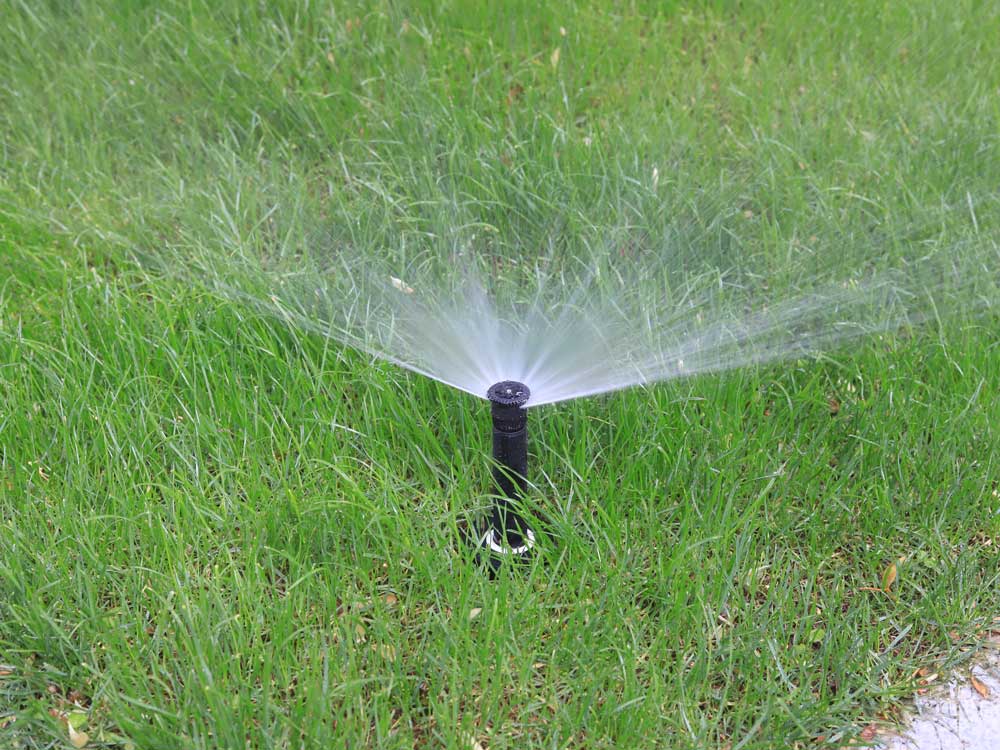
When managing a golf course, I often find that Rotary Sprinklers excel in covering large areas effectively. They provide broad coverage, making them ideal for expansive greens. In contrast, I appreciate how pop-up sprinklers deliver precision watering for smaller sections, ensuring every blade of grass receives the attention it needs. Additionally, incorporating agarden gear sprinklercan enhance the overall Irrigation System, providing versatility and efficiency in maintaining the course's lush appearance.
Key Takeaways
- Rotary sprinklersare ideal for large areas, providing broad coverage and Efficient water distribution, which is essential for maintaining expansive greens.
- Pop-up sprinklers offer precision watering for smaller sections, retracting when not in use to enhance playability and prevent obstructions on the course.
- Integrating both rotary and pop-up sprinklers can optimize irrigation, ensuring that all areas of the golf course receive the right amount of water for healthy turf.
Definition of Rotary Sprinklers
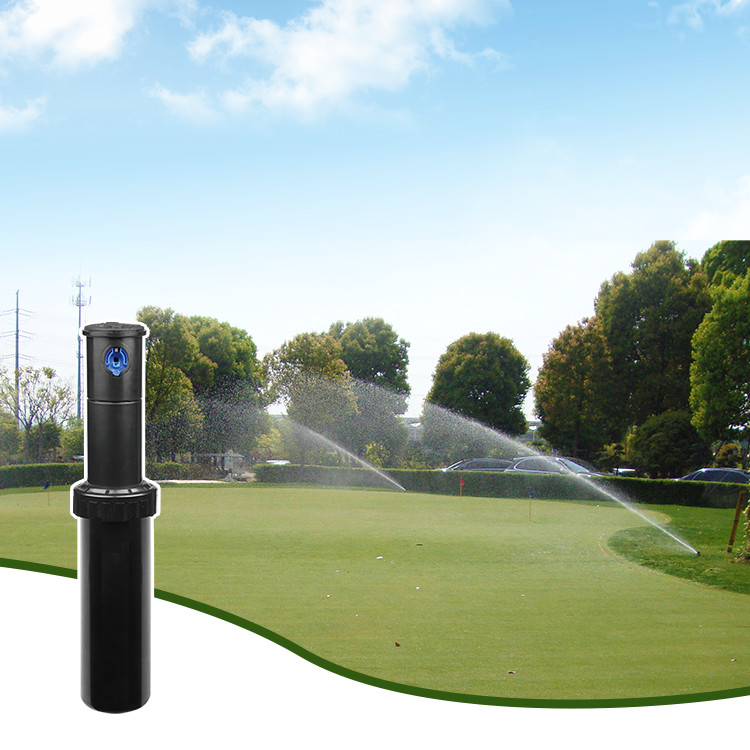
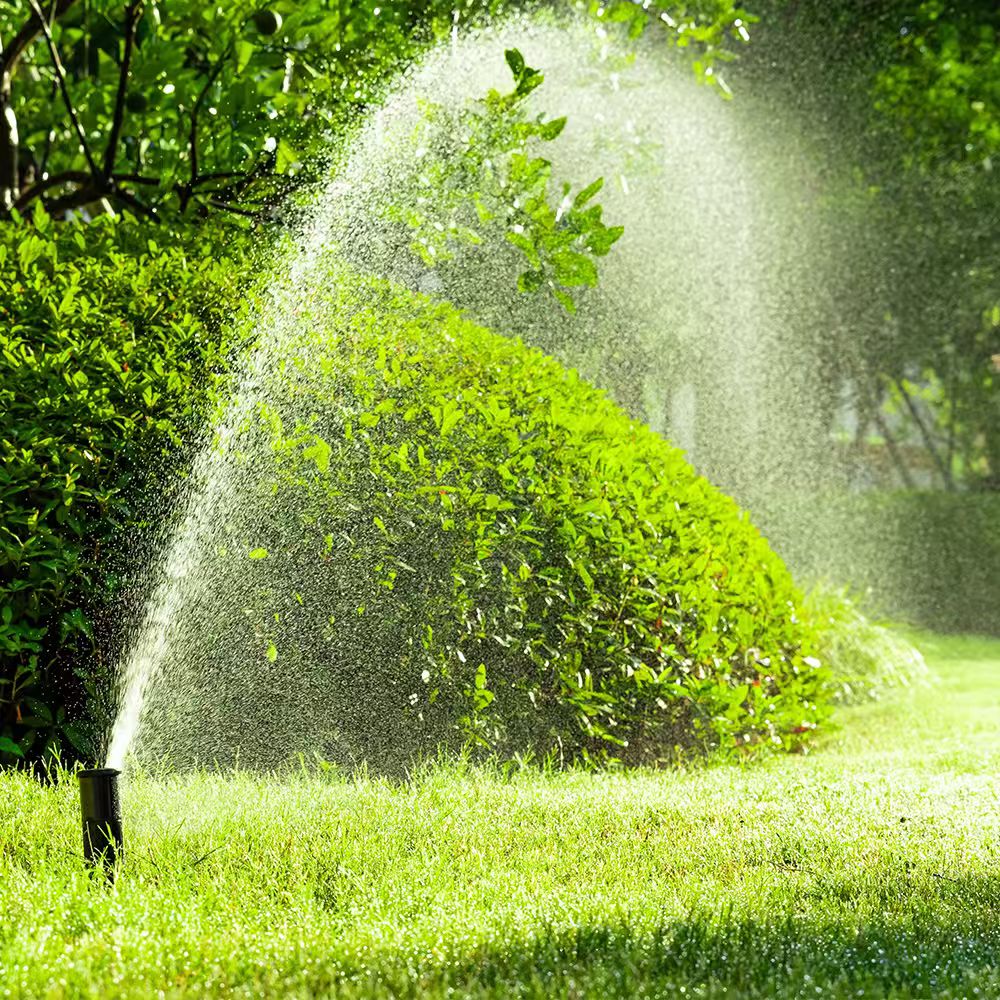
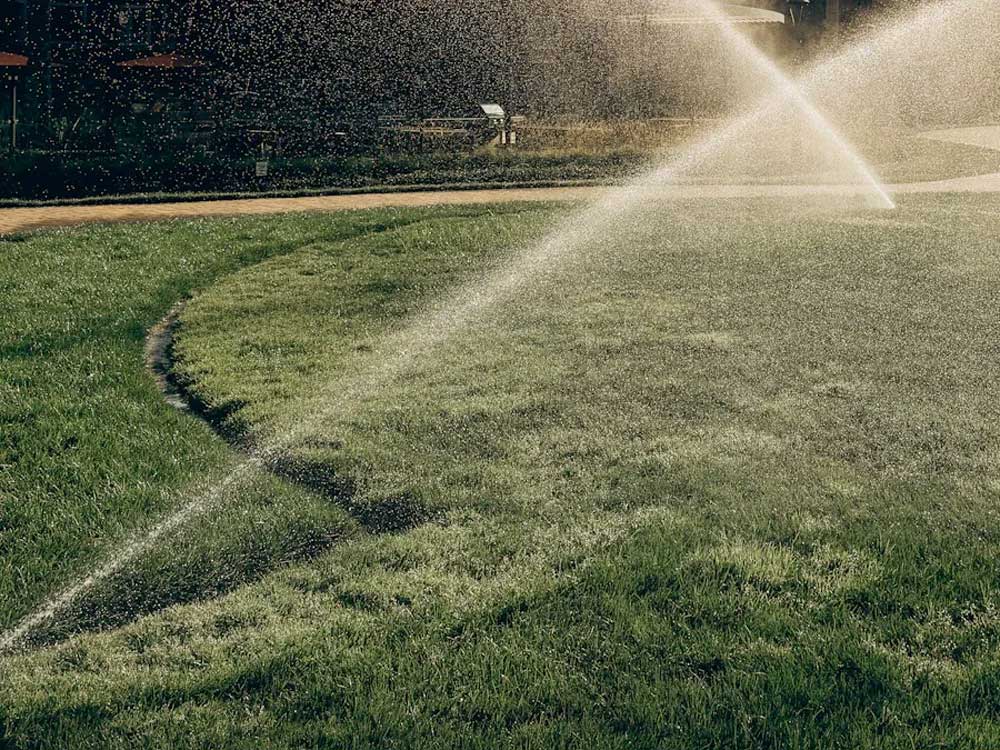
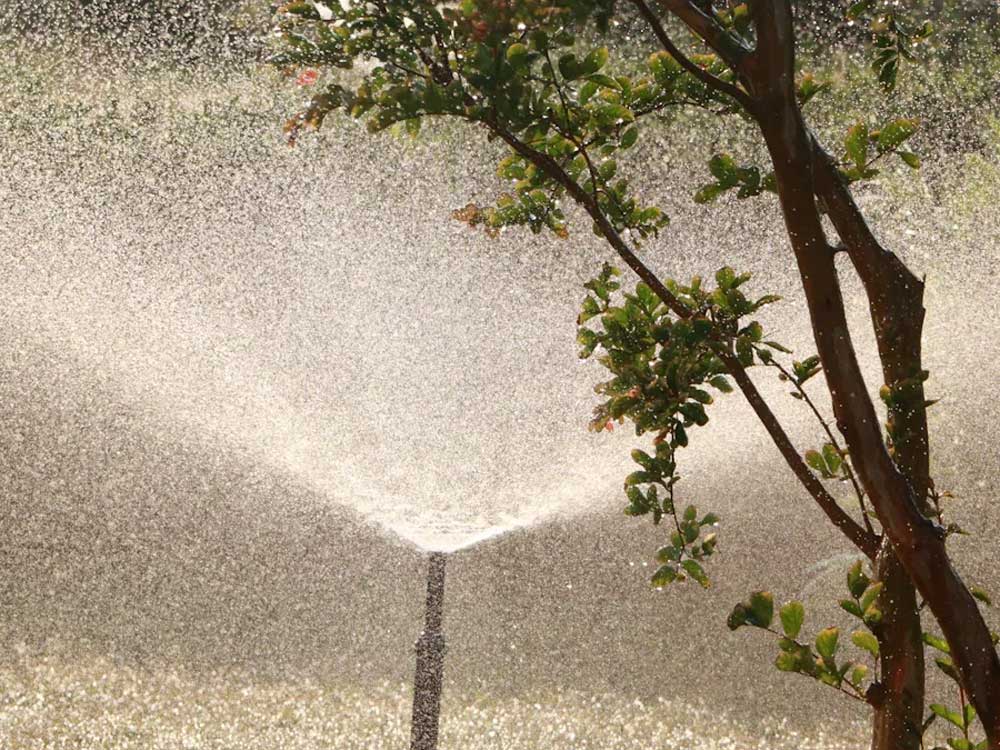
Rotary sprinklersare a popular choice for golf courses due to their ability to cover large areas efficiently. These systems utilize rotating Nozzles that distribute water evenly across expansive greens. I find that their design allows for a wide coverage area, often reaching up to 20 meters. This feature makes them ideal for irrigating fairways and large putting greens.
The operation of rotary sprinklers is quite fascinating. Water enters through the base, where it is filtered and directed through a turbine. As the water flows, it activates the turbine, which rotates the nozzle. This mechanism ensures consistent and uniform water distribution across the designated area.
Here are some key mechanical features that distinguish rotary sprinklers from other types of irrigation systems:
| Feature | Rotary Sprinklers | Spray Sprinklers |
|---|---|---|
| Nozzle Type | Rotating nozzles | Stationary nozzles |
| Coverage Area | Covers large areas, up to 20 meters | Limited coverage |
| Water Efficiency | Distributes water evenly | Less efficient |
| Adjustment Capability | Adjustable spray angle | Fixed spray direction |
I appreciate how rotary sprinklers operate best under a water pressure of 45 to 50 PSI, delivering a precipitation rate of 0.5 to 1 inch per hour. This efficiency is crucial for maintaining the lush appearance of a golf course while conserving water resources.
Definition of Pop-Up Sprinklers
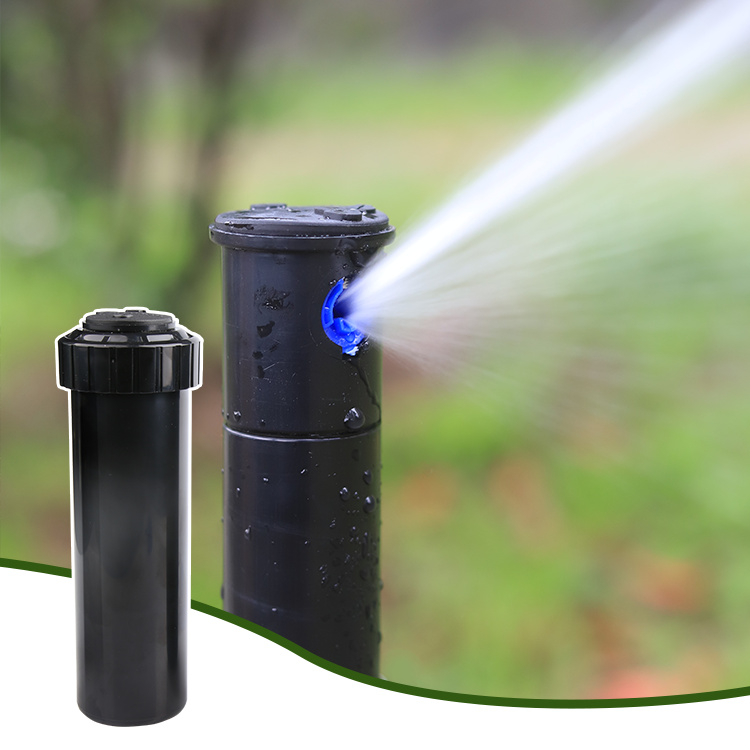
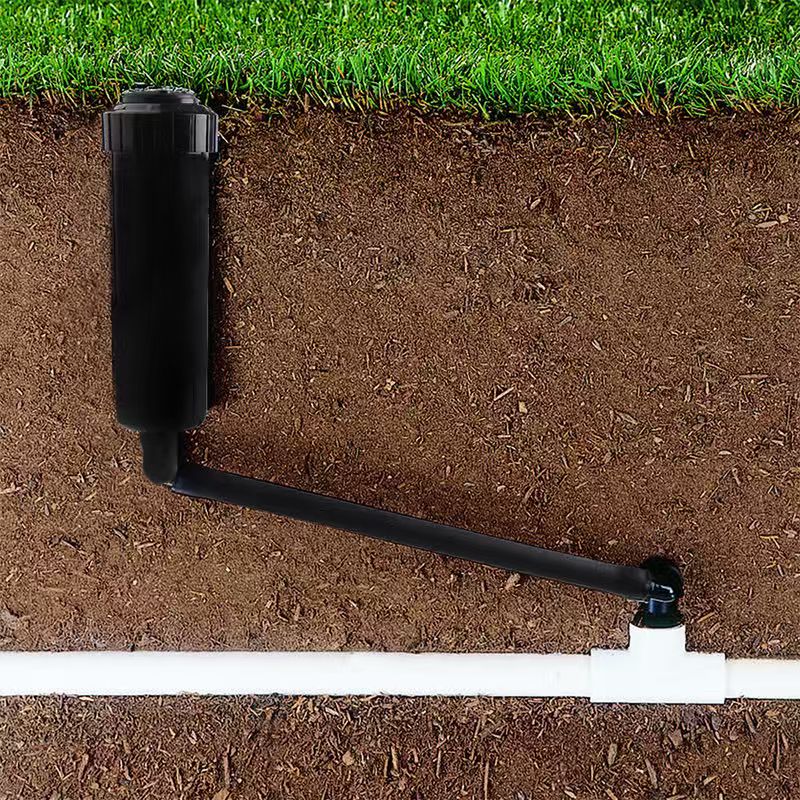
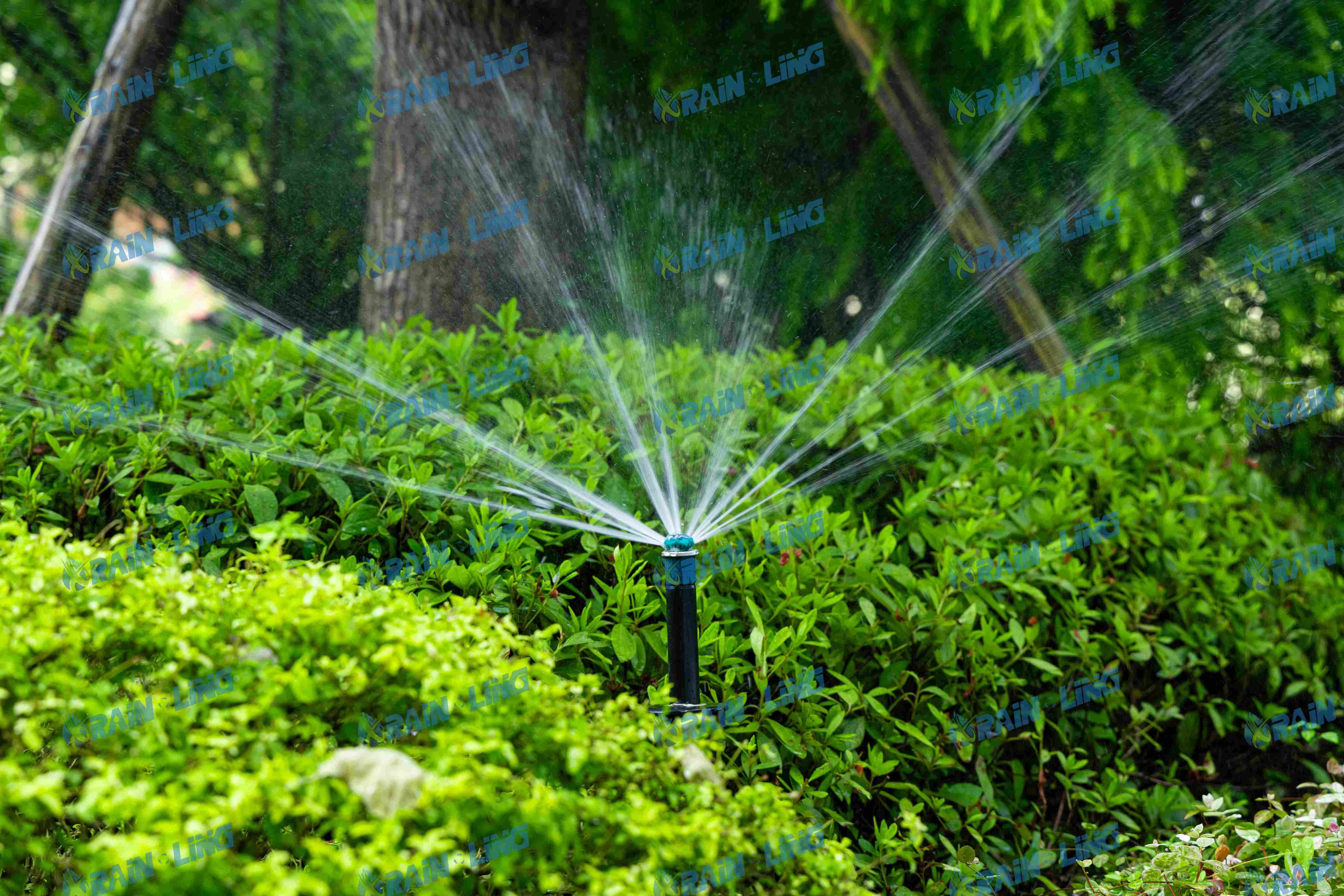
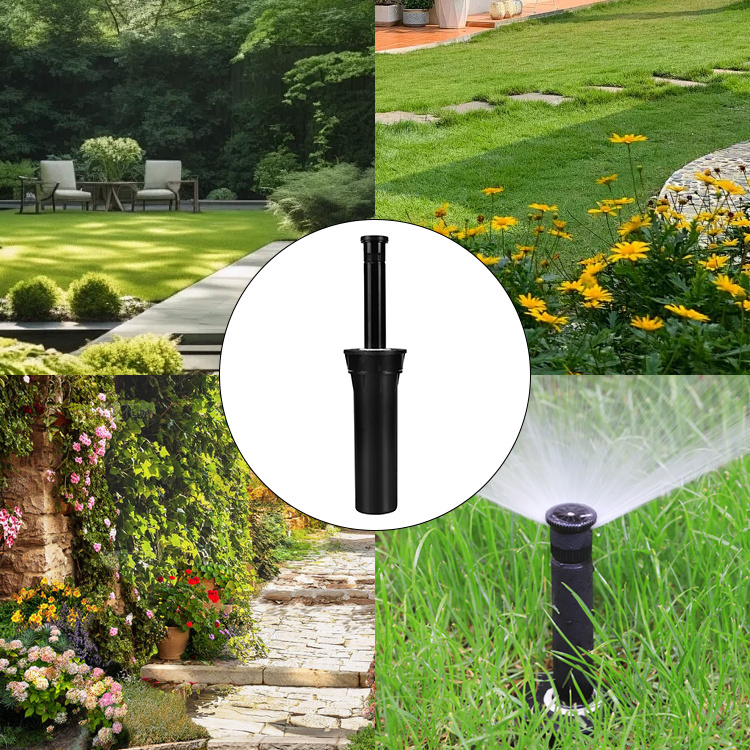
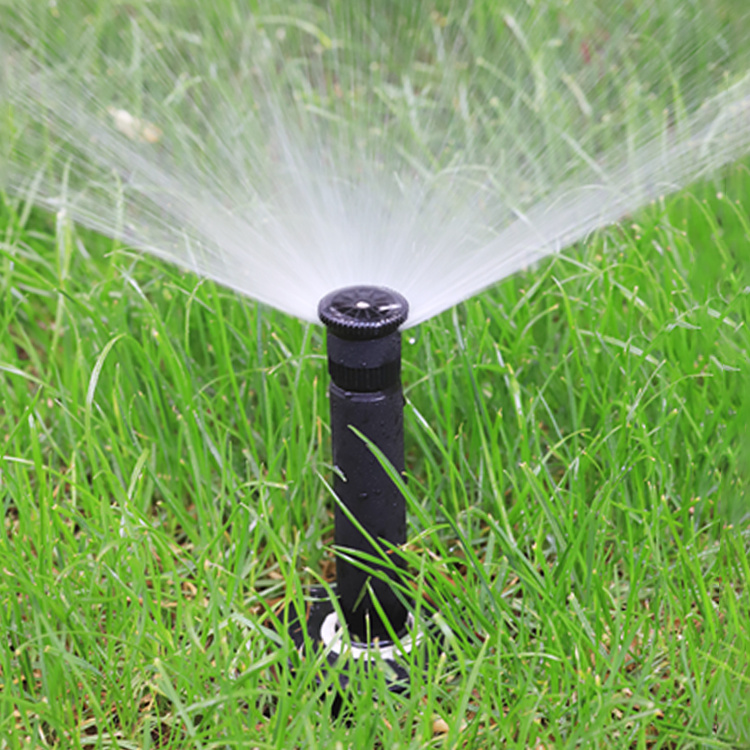
Pop-up sprinklers play a crucial role in maintaining the health of smaller sections of a golf course. I find their design particularly advantageous for targeted irrigation. These sprinklers feature a unique mechanism where the heads emerge from the ground to water the turf and retract when not in use. This design keeps the course clear of obstructions, allowing for uninterrupted play.
The construction of pop-up sprinklers is robust, utilizing corrosion-resistant materials and reinforced seals for durability. Their spray heads often incorporate a gear drive, which enhances efficiency. The height of pop-up sprinklers ranges from 2 to 12 inches, with 6 inches being popular for taller turfgrass. This flexibility allows for customized irrigation coverage.
Here are some defining characteristics of pop-up sprinklers:
| Feature/Component | Description |
|---|---|
| Construction | Robust construction with corrosion-resistant materials and reinforced seals for durability. |
| Spray Head | Unique and stable spray head with gear drive for efficiency. |
| Adjustable Spray Radius | Ranges from 6 to 12 meters, allowing for customized irrigation coverage. |
| Automated Functions | Timers for efficient operation and even water distribution, reducing labor and monitoring needs. |
| Water-Saving Technologies | Incorporates precision nozzles and check valves to reduce waste and evaporation. |
The fan-like spray pattern of pop-up sprinklers delivers water consistently, ensuring even coverage without overspray. Typically, they cover a radius of 6 to 18 feet, making them ideal for small lawns and areas that require precise watering. I appreciate how their head-to-head layout guarantees overlapping coverage, preventing dry spots and ensuring every section of the turf receives adequate moisture.
Effectiveness for Golf Courses
When it comes to the effectiveness of irrigation systems on golf courses, I have observed distinct advantages for both rotary and pop-up sprinklers. Each type serves a unique purpose, and understanding their effectiveness can significantly impact the overall health and appearance of the course.
Water Coverage Uniformity
One of the primary factors I consider is water coverage uniformity. Rotary sprinklers excel in this area. They cover larger areas with fewer heads, which enhances water distribution uniformity. I appreciate how their rotating heads efficiently apply water over expansive spaces, with coverage radii typically ranging from 20 to 50 feet or more. This feature makes them particularly suitable for fairways and large greens.
In contrast, pop-up sprinklers are designed for precise coverage in smaller areas. Their ability to retract when not in use preserves the aesthetics of the course and prevents obstructions during play. I find that their targeted approach is ideal for confined spaces, ensuring that every inch of turf receives the moisture it needs without overspray.
Playability and Aesthetics
The impact of these sprinklers on playability and aesthetics is another critical consideration. I often refer to the following table to compare their features:
| Sprinkler Type | Coverage Radius | Precipitation Rate | Key Features |
|---|---|---|---|
| Pop-up Sprinklers | 3 to 15 feet | 1 to 2.5 inches/hr | Retracts when not in use, preserving aesthetics and preventing obstructions during play. |
| Rotary Sprinklers | 20 to 150 feet | 0.1 to 1.5 inches/hr | Provides extensive coverage, maximizes water absorption, and minimizes runoff for healthy turf. |
| Gear-driven Rotors | 18 to 55 feet | 0.2 to 0.8 inches/hr | Low maintenance, effective on slopes, and improves water absorption, enhancing turf health. |
| Impact Rotors | 20 to 150 feet | 0.1 to 1.5 inches/hr | Covers larger areas, suitable for well water, and requires regular maintenance. |
From my experience, rotary sprinklers contribute to the overall health of the turf by maximizing water absorption and minimizing runoff. This is crucial for maintaining lush greens and fairways. On the other hand, pop-up sprinklers enhance the playability of the course by ensuring that no sprinkler heads obstruct the players' paths, allowing for a seamless golfing experience.
Efficiency in Water Usage
Water efficiency is a critical factor when I evaluate irrigation systems for golf courses. Both rotary and pop-up sprinklers offer unique advantages in this area, but I find that rotary sprinklers often lead the way in terms of overall water conservation.
Rotary Sprinklers
Rotary sprinklers provide precise water control, which significantly reduces waste. Their ability to adjust spray patterns minimizes water loss, especially in windy conditions. I appreciate how they allow for efficient water management, which is crucial for conservation efforts. Here are some key benefits of rotary sprinklers regarding water efficiency:
- Better water distribution uniformity: This ensures that every part of the turf receives adequate moisture.
- Larger coverage areas: They can cover up to 35 feet in radius, making them ideal for expansive greens.
- More efficient water use: Slower application rates lead to better absorption and less runoff.
- Improved performance in windy conditions: The larger droplets created by rotary nozzles resist being blown away.
Technological Advancements
Recent advancements have further enhanced the efficiency of both rotary and pop-up sprinklers. For instance, modern rotary systems now feature multi-stream nozzles that deliver water in spiral patterns. This design creates larger droplets that resist wind and reach the soil more effectively. The following table summarizes some of these advancements:
| Advancement Type | Description | Water Savings Potential |
|---|---|---|
| Multi-stream rotary nozzles | Deliver water in spiral patterns, creating larger droplets that resist wind and reach the soil. | Up to 30% |
| Pressure-regulated spray heads | Maintain consistent pressure, eliminating misting and ensuring efficient water application. | Up to 50% |
| Smart controllers | Adjust irrigation schedules based on weather conditions, optimizing water use. | N/A |
Pop-Up Sprinklers
While pop-up sprinklers are designed with water conservation in mind, they excel in specific applications. Their configurations cater to the needs of particular plants, thus minimizing water waste. The integration of smart controllers and precision sensors enhances their efficiency, allowing for adjustments based on real-time weather data. This adaptability makes pop-up sprinklers a valuable tool for targeted irrigation in smaller areas of the golf course.
Cost Comparison
When I evaluate the cost of rotary versus pop-up sprinklers, I consider both initial installation and long-term maintenance expenses. Rotary sprinklers typically have a higher upfront cost due to their complex mechanisms and larger coverage areas. However, I find that their efficiency can lead to savings over time.
In contrast, pop-up sprinklers often come with a lower initial price tag. Their simplicity makes them easier to install, but I must account for potential long-term maintenance costs. I have learned that budgeting for irrigation systems can be tricky. For example, a project I once managed was initially estimated at $1.5 million but ended up lacking by about $1 million due to unforeseen maintenance expenses. This experience taught me the importance of accurate budgeting.
To manage costs effectively, I recommend keeping detailed logs of maintenance expenses. Tracking these costs helps identify when repairs become too frequent, signaling that the system may be deteriorating. This insight is crucial for making informed decisions about whether to repair or replace components.
Ultimately, while rotary systems may require a larger initial investment, their durability and efficiency can offset costs in the long run. On the other hand, pop-up systems can be more budget-friendly upfront but may incur higher maintenance costs over time. Balancing these factors is essential for any golf course manager.
Pros and Cons of Rotary Sprinklers
When I evaluate rotary sprinklers, I recognize several advantages that make them a popular choice for golf course irrigation. Here are some key benefits:
| Advantage | Description |
|---|---|
| Performance | The self-adjusting stator ensures even water flow, preventing pooling and runoff. |
| Simplicity | Rapid-Adjust Technology allows easy adjustment of the spray arc with a single screw. |
| Convenience | Models like Rain Bird 702/752/952 Series provide maximum coverage while minimizing water waste. |
However, I also encounter some drawbacks with rotary sprinklers. For instance, they can struggle with wind interference, which leads to overspray on unintended areas. This can create uneven watering and affect the overall health of the turf. Additionally, I find that rotary sprinklers require longer run times to distribute water effectively, which can be a concern during peak usage times.
In my experience, the benefits of rotary sprinklers often outweigh the disadvantages, especially for larger areas of a golf course. Their efficiency and coverage capabilities make them a valuable asset. However, I always consider the specific needs of the course before making a final decision. Balancing the pros and cons helps me ensure that I choose the right irrigation system for optimal turf health and playability.
Pros and Cons of Pop-Up Sprinklers
Pop-up sprinklers offer several advantages that make them appealing for golf course irrigation. Their retractable design keeps the course free of obstructions, allowing for smooth play. I appreciate how they provide targeted watering, ensuring that specific areas receive the moisture they need without overspray. This precision helps maintain the health of the turf, especially in smaller sections like greens and tees.
However, I have encountered some challenges with pop-up sprinklers. For instance, high-vacuum mowers can pull them up, leading to potential breakage. I’ve seen this happen firsthand, and it can be costly to repair. Additionally, sand and dirt can accumulate in the casing, causing the sprinkler to remain extended after irrigation. Turf grasses may also interfere with retraction, which can disrupt the system's efficiency.
Here’s a quick overview of the pros and cons:
| Pros | Cons |
|---|---|
| Retractable design prevents obstructions | Can be damaged by high-vacuum mowers |
| Targeted watering for specific areas | Accumulation of sand and dirt can hinder retraction |
| Enhances aesthetics of the course | Turf interference may disrupt operation |
In my experience, weighing these pros and cons helps me decide when to use pop-up sprinklers effectively.
Suitability for Different Golf Course Areas
When I assess the suitability of rotary and pop-up sprinklers for various areas of a golf course, I consider the unique needs of each section. Rotary sprinklers excel in larger areas, while pop-up sprinklers shine in confined spaces.
For expansive greens, fairways, and roughs, I often recommend rotary sprinklers. Their ability to cover large areas with uniform water distribution makes them ideal for these sections. For instance, the Rain Bird 702 series offers customizable spray distances and 360-degree coverage. This flexibility allows me to tailor the irrigation to the specific needs of the turf.
Here’s a quick overview of some rotary options:
| Rotor Series | Key Features | Best Suited Areas |
|---|---|---|
| Rain Bird 702 | - Customize spray distance and trajectory | Greens, fairways, and roughs |
| - 360-degree coverage | ||
| - Ideal for expansive areas requiring precise irrigation | ||
| Rain Bird 552 | - Retrofit to fit older Rain Bird cases | Areas with elevation changes and slopes |
| - Built-in check valve to prevent water drainage after shutdown |
In contrast, I find pop-up sprinklers particularly effective for smaller areas like tees and landscaped sections. Their retractable design prevents obstructions during play, ensuring a seamless golfing experience. I appreciate how they provide targeted watering, which is essential for maintaining the health of specific turf areas.
By understanding the unique requirements of each section, I can make informed decisions about which sprinkler system to implement, ensuring optimal irrigation for the entire golf course.
Maintenance Considerations
Maintaining irrigation systems is crucial for the health of a golf course. I have learned that both rotary and pop-up sprinklers require regular attention to ensure optimal performance.
Rotary Sprinklers
For rotary systems, I follow a structured maintenance routine:
- I conduct daily communication checks, especially after thunderstorms, to identify any issues caused by lightning strikes.
- Every two weeks during summer, I run through the entire irrigation system. This includes checking all sprinkler heads and controllers for proper operation.
- Before the first run in spring, I level all sprinkler heads to ensure they are not buried or misaligned.
Additionally, I keep an eye on the nozzles daily for wear, tear, and clogs. I also look for wet or dry spots that may indicate system malfunctions. Recording water usage from the previous night helps establish a baseline for identifying issues.
Pop-Up Sprinklers
Pop-up sprinklers also present unique maintenance challenges. Common issues I encounter include:
- Wet spots or dying turf, indicating potential leaks or damage.
- Dripping valves that can lead to water wastage.
- Irregular water flow, which disrupts uniform irrigation.
I find that addressing these issues promptly prevents larger problems down the line. Regular inspections and maintenance keep both types of sprinklers functioning effectively, ensuring the course remains in top condition.
Pop-Up Sprinkler Integration with Rotary Systems
Integrating pop-up sprinklers with rotary systems can enhance the overall irrigation strategy for a golf course. I have found that combining these two types of sprinklers allows for both broad coverage and precise watering. This integration addresses the unique needs of different areas on the course.
When I design an irrigation system, I often place rotary sprinklers in expansive areas like fairways and large greens. Their ability to cover wide spaces efficiently makes them ideal for these sections. In contrast, I install pop-up sprinklers in smaller, more confined areas such as tees and landscaped sections. Their retractable design prevents obstructions during play, which I find essential for maintaining a smooth golfing experience.
Here are some benefits of integrating these systems:
- Optimized Water Distribution: The combination ensures that both large and small areas receive adequate moisture.
- Enhanced Playability: Pop-up sprinklers retract when not in use, keeping the course clear for players.
- Improved Turf Health: Targeted watering from pop-up sprinklers helps maintain the health of specific turf areas.
I recommend using smart controllers to manage both systems effectively. These controllers can adjust watering schedules based on weather conditions, ensuring that each area receives the right amount of water. This integration not only conserves water but also promotes a healthier course overall.
Both rotary and pop-up sprinklers offer unique advantages and disadvantages. I find that the choice hinges on several factors, including field size, water efficiency, and budget. For larger areas, rotary systems often excel, while pop-up sprinklers provide precision in smaller sections. Ultimately, I recommend evaluating the specific needs of the golf course to make an informed decision.
| Factor | Description |
|---|---|
| Field Size & Layout | Larger fields require a well-planned system with properly spaced sprinkler heads to avoid dry patches or overwatering. |
| Water Pressure & Supply | Adequate water pressure ensures even coverage, while an insufficient supply can lead to ineffective irrigation. |
| Automation & Smart Controls | Automated systems with timers, weather sensors, and remote access improve efficiency and reduce labor costs. |
| Budget & Long-Term Costs | While upfront costs vary, investing in a high-quality system reduces water waste and maintenance expenses over time. |
| Drainage & Water Conservation | Proper drainage prevents water pooling and damage, while smart irrigation systems help optimize water use. |
FAQ
What is the main advantage of rotary sprinklers for golf courses?
Rotary sprinklers cover large areas efficiently, making them ideal for expansive greens and fairways.
How do pop-up sprinklers enhance playability on the course?
Pop-up sprinklers retract when not in use, preventing obstructions and ensuring a smooth golfing experience.
Can I integrate both sprinkler types in my irrigation system?
Yes, integrating rotary and pop-up sprinklers optimizes water distribution across different areas of the golf course.