
 +86-18158270618
0102030405
Smart Rotor Sprinkler Systems Leading the Future of Agricultural Irrigation
2025-08-29
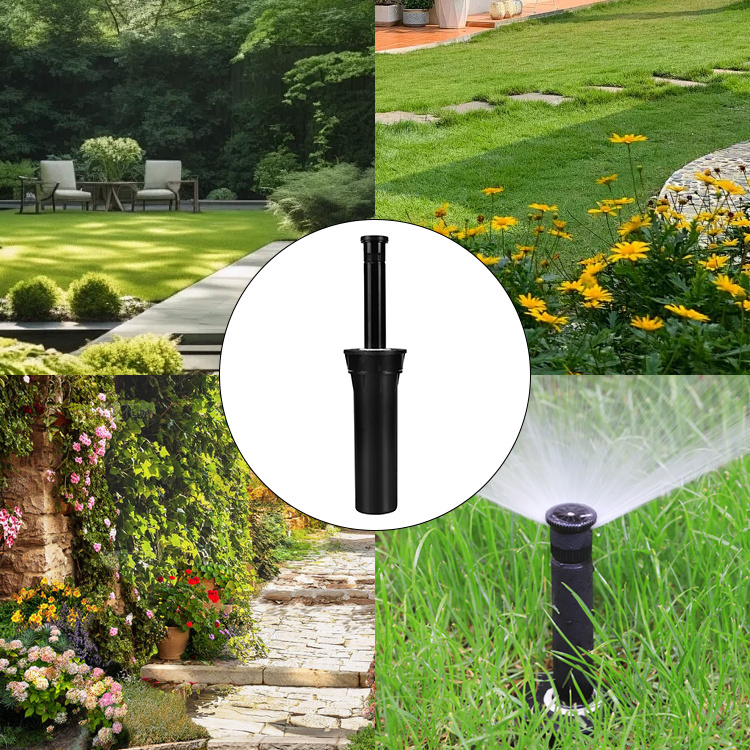
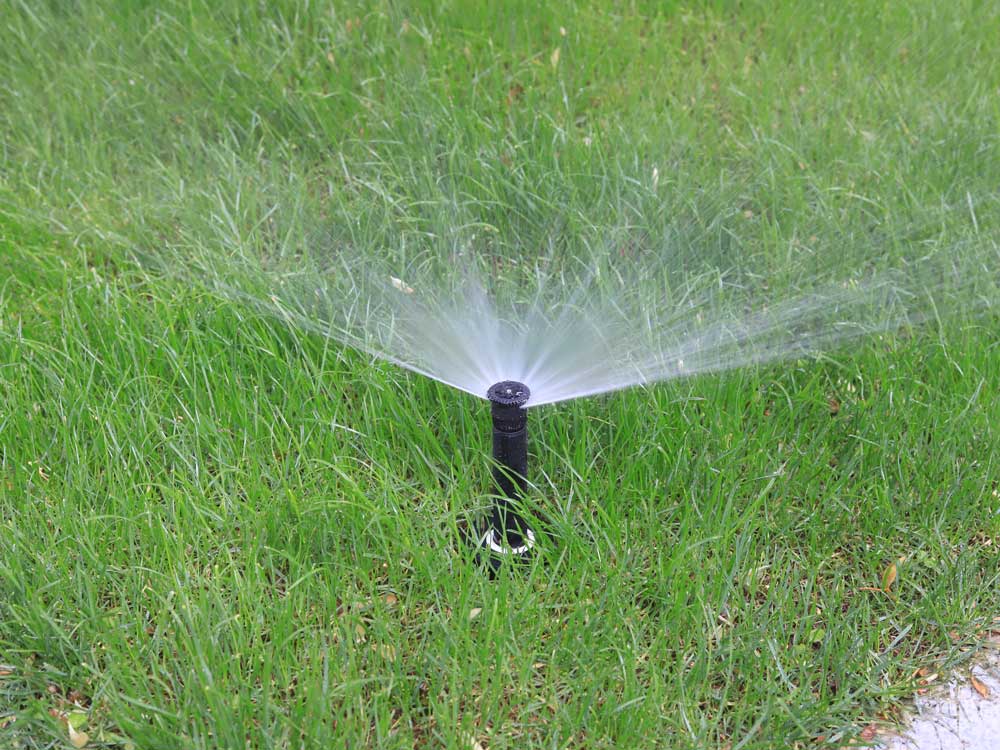
I have seen smart Rotor Sprinkler agricultural systems likeRotors Sprinklers change the way I irrigate my fields. These advanced solutions deliver water with accuracy and care. By using RAINLING - Professional 3/4” ABS Rotor Sprinkler R, I notice stronger crops and better water management every season.
Key Takeaways
- Smart rotor Sprinkler Systems use real-time data tooptimize irrigation, saving water and improving crop health.
- Automation reduces manual labor, allowing farmers to focus on other important tasks while ensuring consistent irrigation.
- Investing in Smart Irrigation technology can lead to significant cost savings and higher crop yields, making it a smart choice for sustainable farming.
What Makes Smart Rotor Sprinkler Agricultural Systems Different?
Defining Smart Rotor Sprinkler Agricultural Technology
When I first explored smart rotor sprinkler agricultural systems, I realized they represent a leap forward in irrigation technology. These systems combine advanced rotors with intelligent controllers, sensors, and connectivity features. I use Rain Ling’s rotor sprinklers, which integrate IoT and smart control technology. This allows me to monitor and adjust irrigation remotely, ensuring every drop of water reaches the crops where it is needed most.
Smart rotor sprinkler agricultural solutions rely on real-time data. Sensors track soil moisture, weather conditions, and crop needs. The system processes this information and makes instant decisions about when and how much to irrigate. I see the difference in my fields. The technology delivers water with precision, reducing waste and supporting healthy plant growth.
Tip: Smart rotor sprinkler agricultural systems use environmental feedback to optimize irrigation, which means I can respond quickly to changing conditions and avoid overwatering or underwatering.
Key Differences from Traditional Irrigation Methods
I have used traditional irrigation methods before, such as flood irrigation and basic sprinkler setups. These older systems often apply water uniformly, regardless of soil moisture or weather. I noticed that this approach leads to water waste and uneven crop growth.
Smart rotor sprinkler agricultural systems stand out because they use intelligent controllers and sensors. The system evaluates environmental data and adjusts watering schedules automatically. For example, when the soil is already moist, the system reduces irrigation. When the weather is hot and dry, it increases water delivery. This dynamic approach saves water and improves crop yields.
Here is a comparison table that highlights the main differences:
| Feature | Traditional Irrigation | Smart Rotor Sprinkler Agricultural |
|---|---|---|
| Water Application | Uniform, manual | Precise, automated |
| Environmental Feedback | None | Real-time sensors |
| Water Efficiency | Low | High |
| Remote Monitoring | Not available | Available |
| Crop Yield Impact | Variable | Consistently improved |
I have seen studies that confirm these benefits. Intelligent Irrigation Systems using IoT and fuzzy control technology make real-time decisions based on environmental factors. This reduces water waste compared to traditional methods. Smart controllers and sensors optimize watering schedules, which means I use less water and get better results.
I trust Rain Ling’s smart rotor sprinkler agricultural solutions to deliver these advantages. The technology helps me conserve water, improve crop quality, and reduce labor. I believe this is the future of sustainable farming.
Core Technologies Powering Smart Rotor Sprinkler Agricultural Solutions
IoT Integration and Remote Monitoring Capabilities
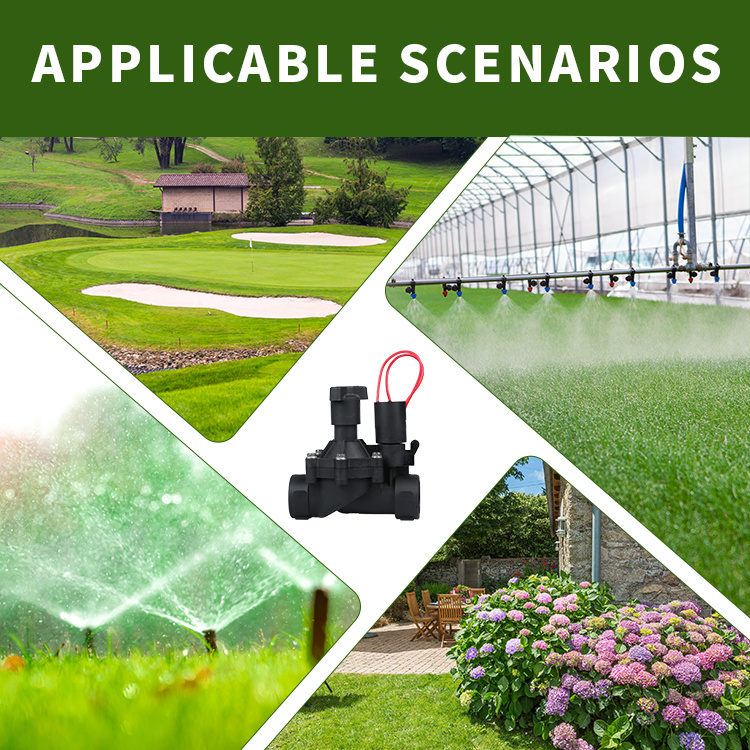
I rely on IoT technology to manage my smart rotor sprinkler agricultural system. IoT sensors give me real-time data about my fields. I can check soil moisture, weather conditions, and water usage from my phone or computer. This remote access helps me make quick decisions and adjust irrigation schedules without walking through every plot.
Some of the most common IoT devices I use include:
- Soil moisture sensors
- Weather stations
- Flow meters
- Rain sensors
These devices work together to create an efficient irrigation network. Integration of IoT sensors allows me to practice efficient irrigation, which is crucial for smart agriculture. I see the benefits in water savings and healthier crops.
Artificial Intelligence for Data-Driven Irrigation
Artificial intelligence powers the decision-making in my irrigation system. AI-integrated smart sensors monitor soil moisture levels continuously. I place these sensors at different depths to collect accurate data. The system analyzes this information and decides when to irrigate.
AI technology enables irrigation only when necessary. This approach optimizes water usage and improves plant health. I notice my crops grow stronger and use less water. AI-based sprinkler systems also use rain sensors to collect real-time weather data, preventing overwatering.
Real-Time Sensors and Environmental Feedback
Real-time sensors form the backbone of my smart rotor sprinkler agricultural setup. These sensors track environmental changes and send feedback to the control system. I receive instant alerts if soil moisture drops or if rain is expected.
IoT sensors enable precise monitoring and control of water usage. This precision is essential for optimizing crop health. I trust the system to respond quickly to changing conditions, which keeps my fields productive and sustainable.
Benefits of Smart Rotor Sprinkler Agricultural Systems
Water Efficiency and Conservation
I have seen firsthand how smart rotor sprinkler agricultural systems transform water management on my farm. These systems use real-time data from soil moisture sensors and weather stations to deliver water only when and where my crops need it. This approach helps me conserve water, especially during drought conditions.
Some of the ways these systems support water efficiency include:
- Automating irrigation schedules based on actual field conditions, which reduces manual labor and human error.
- Using real-time data to adjust watering levels, so I avoid overwatering and minimize waste.
- Focusing on efficient water delivery, which cuts down on evaporation and runoff.
I also rely on the system’s ability to assess local evapotranspiration rates. By connecting to local weather data, the system adjusts watering schedules for temperature, humidity, wind, and sunlight. This ensures my crops receive just enough water to replace what they lose each day.
I have noticed that smart rotor sprinkler agricultural systems can save thousands of gallons of water each year. Traditional sprinklers often waste water through overspray and poorly timed watering, but my smart system prevents these issues.
Tip: Smart irrigation technology can save up to 7,600 gallons of water annually compared to conventional methods.
Enhanced Crop Yields and Quality
Since I started using smart rotor sprinkler agricultural solutions, I have observed a clear improvement in both crop yield and quality. The system’s AI-driven controls monitor soil moisture and weather conditions, ensuring my crops get optimal hydration at every growth stage.
Here are some benefits I have experienced:
- Water usage dropped by nearly 50%, yet my crop yields increased.
- Micro-sprinkling technology boosted my grain output while reducing total water consumption.
- The system’s precise irrigation led to healthier, more uniform crops.
I trust the data-driven approach of these systems. By responding to real-time field conditions, my crops receive consistent care, which results in higher quality produce and better market value.
Cost Savings and Resource Optimization
Switching to a smart rotor sprinkler agricultural system has helped me cut costs across my operation. Efficient water use means I waste less and pay lower water bills. The EPA notes that modern irrigation systems can significantly reduce water expenses.
I have also seen energy savings, which contribute to a faster return on investment. Many farmers, including myself, experience a payback period of about three years. Some systems even achieve savings of over 75%.
Here’s a quick overview of the cost-saving benefits:
| Benefit | Impact on My Farm |
|---|---|
| Reduced water waste | Lower water bills |
| Energy efficiency | Decreased electricity costs |
| Resource optimization | Less fertilizer and labor needed |
By optimizing every resource, I can invest more in other areas of my farm and improve overall profitability.
Automation and Labor Reduction
One of the most valuable advantages I have gained is the reduction in manual labor. Automation allows my smart rotor sprinkler agricultural system to handle routine irrigation tasks without constant supervision.
I have more time to focus on other critical aspects of farm management. Automation addresses labor shortages, which is a growing concern in agriculture.
Some key benefits I have noticed:
- The system reduces the need for manual intervention, freeing up my schedule.
- I can monitor and control irrigation remotely, even when I am away from the fields.
- Labor costs decrease, and I can allocate my workforce to more specialized tasks.
Note: Automation not only saves time but also ensures consistent irrigation, which supports better crop health and farm sustainability.
How to Implement Smart Rotor Sprinkler Agricultural Systems on Your Farm
Assessing Farm Needs and Suitability
When I consider installing a smart rotor sprinkler agricultural system, I start by evaluating my farm’s unique characteristics. I look at climate, soil type, landscape design, and water source. These factors help me decide if the system will work efficiently on my property.
| Factor | Description |
|---|---|
| Climate | The climate in my region impacts irrigation needs, especially during hot seasons. |
| Soil Type | Different soils absorb and retain water differently, affecting how often I need to irrigate. |
| Landscape Design | The layout of my fields influences how I zone and customize irrigation. |
| Water Source | I check the availability and cost of water, making sure it matches the system’s requirements. |
Selecting the Right System and Vendor (Including Rain Ling)
I always research vendors before making a purchase. I look for reliability, advanced features, and strong customer support. Rain Ling stands out for its professional-grade rotor sprinklers and smart control technology. Their systems offer remote monitoring and precise water delivery, which fit my needs perfectly.
Installation and Setup Best Practices
I follow best practices to ensure my system runs smoothly:
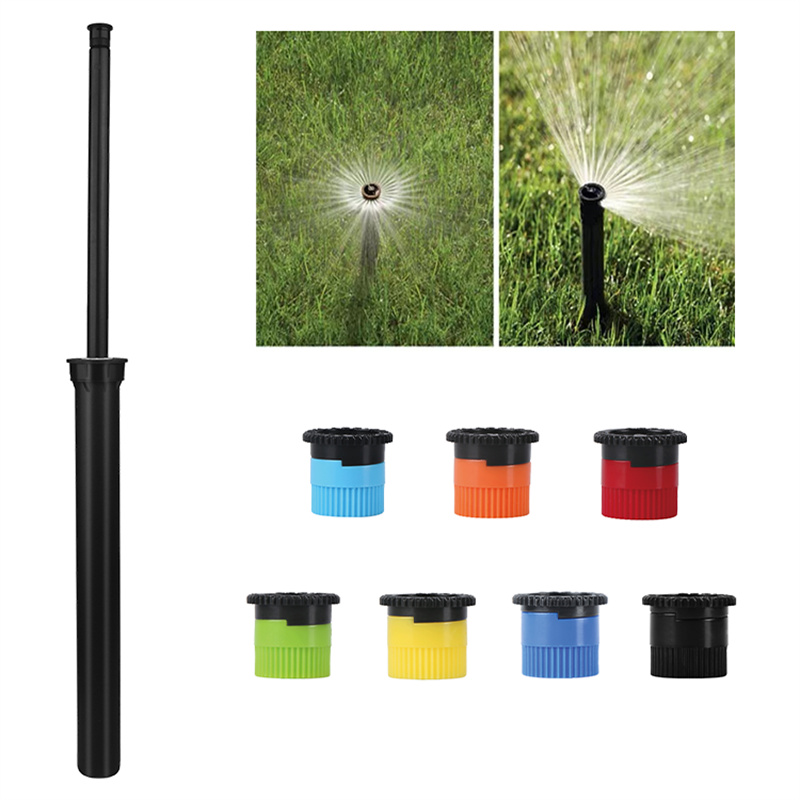
- I balance rotor nozzles to match each area’s needs.
- I space sprinkler heads for head-to-head coverage, preventing dry spots.
- I install pipes at the correct depth and secure all connections tightly.
Tip: I always test each zone for even coverage before finishing installation.
Maintenance and Ongoing Optimization
Regular maintenance keeps my system efficient. I perform a spring audit to check for leaks or damage. I inspect and clean sprinkler heads, adjust watering schedules for each season, and winterize the system to prevent freeze damage. These steps help me get the most from my investment.
Overcoming Challenges in Smart Rotor Sprinkler Agricultural Adoption
Managing Upfront Investment and ROI
When I first considered upgrading to a smart rotor sprinkler system, I focused on the initial investment. The cost can seem high, but I learned to break it down and calculate the return on investment (ROI). I use a simple approach to find my break-even point and annual ROI:
- I divide the total upgrade cost by my expected annual savings to find the break-even year.
- I calculate annual ROI by dividing my yearly savings by the total cost, which gives me a clear percentage.
- I always check local water rates and look for rebates, as these can boost my ROI.
- I use my actual water usage data, but averages work if I do not have exact numbers.
For example, irrigating one acre for 30 weeks with one inch of water uses over 800,000 gallons. With a smart controller saving 30%, I save about 240,000 gallons each year. At $7.00 per thousand gallons, that means $1,680 saved per acre annually.
Addressing Technical Expertise and Training Needs
At first, I worried about learning new technology. I found that brands like Rain Ling offer clear guides and customer support. I attended a training session and practiced with the system’s app. Over time, I became comfortable with remote monitoring and scheduling. I recommend starting with basic features and expanding as you gain confidence.
Ensuring System Reliability and Support
Reliability matters to me. I trust Rain Ling because they provide strong technical support and regular updates. I schedule routine checks and keep spare parts on hand. If I ever face an issue, I contact their support team for quick solutions. This approach keeps my irrigation running smoothly and my crops healthy.
The Future of Smart Rotor Sprinkler Agricultural Innovation
Emerging Trends and Technological Advancements
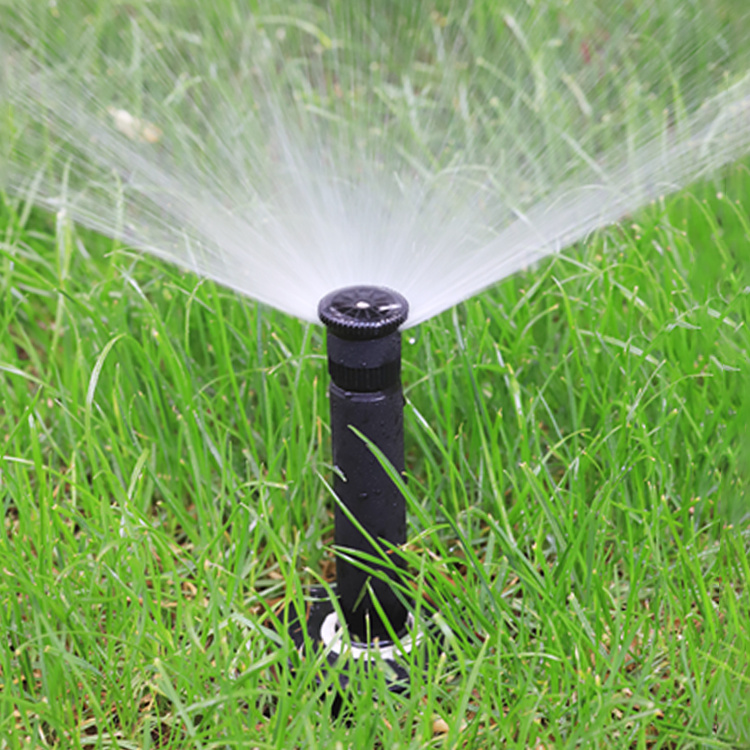
I see the future of smart rotor sprinkler systems moving quickly. New trends shape how I manage my fields and water resources. The table below highlights the most important trends I follow:
| Trend | Description |
|---|---|
| AI and Automation Integration | Rotary sprinklers are increasingly incorporating AI and automation for adaptive irrigation systems. |
| Remote Monitoring and Control | IoT-enabled sprinklers allow for remote monitoring and control, enhancing convenience and reducing waste. |
| Sustainability and Eco-friendly Designs | Focus on minimizing water usage and environmental impact aligns with global sustainability trends. |
| Precision Agriculture Growth | Demand for smarter sprinklers is driven by precision agriculture techniques using data analytics. |
| Improved Durability and Performance | Enhancements in durability and performance make sprinklers more reliable for long-term use. |
Advancements in sensor technology excite me the most. Over the next five years, I expect sensors to become even smarter. These sensors will work with IoT and AI, giving me real-time updates on soil moisture and weather. My system will adjust watering schedules automatically, saving water and improving crop performance. I believe weather-based automation and soil moisture sensors will soon become standard features.
Long-Term Impact on Sustainable Farming
I care deeply about sustainability. Smart rotor sprinkler systems help me reach my goals by optimizing water use and improving crop yields. Automation ensures every drop of water counts, which supports my commitment to sustainable agriculture.
Some long-term environmental benefits I notice include:
- Reduced herbicide use, which improves soil nutrients and moisture.
- Healthier soil, making my fields more resilient to drought and erosion.
- Higher yields while maintaining soil health.
- Optimized water use, helping address water scarcity.
- Lower carbon emissions from efficient resource management.
Agriculture uses about 70% of the world’s freshwater. Traditional irrigation wastes water and nutrients, but smart technology changes that. I see these systems as essential for the future of farming. They help me protect the environment and secure food for the next generation.
I have seen smart rotor sprinkler agricultural systems transform my farm’s efficiency and sustainability. In Yunnan, China, micro-sprinkler technology nearly doubled water utilization and boosted productivity.
- Experts say these systems cut water use by up to 70%, improve crop quality, and reduce environmental impact.
FAQ
How do I know if my farm is suitable for a smart rotor sprinkler system?
I assess my soil type, climate, and water source. I also consult with Rain Ling’s experts for a tailored recommendation.
What maintenance does a smart rotor sprinkler system require?
I check for leaks, clean sprinkler heads, and update software regularly.
Tip: I schedule seasonal inspections to keep my system running efficiently.
Can I control my Rain Ling smart rotor sprinkler system remotely?
Yes, I use the Rain Ling app on my phone or computer.
- I adjust schedules
- I monitor water usage
- I receive real-time alerts