
 +86-18158270618
0102030405
Unlocking the Secrets of Irrigation Valve Box Maintenance and Longevity
2025-11-04
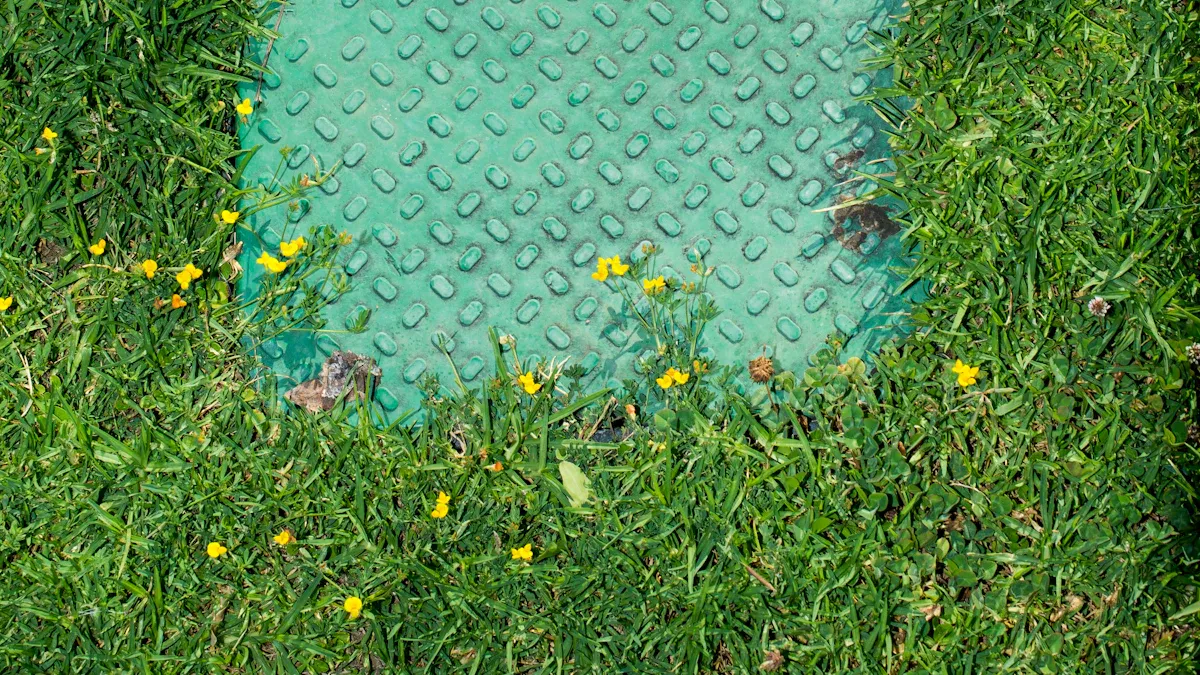
I recognize the irrigation valve box as a cornerstone of any robust irrigation system. It fundamentally protects crucial components and guarantees essential access. I stress that effective management of this vital enclosure is indispensable for ensuring your system's enduring performance and longevity.
Key Takeaways
- An irrigation valve box protects important parts of your watering system. It keeps valves and wires safe from weather and damage.
- Proper installation and regular checks of your valve box are important. This helps your watering system work well for a long time.
- Choose the right size and strong material for your valve box. This makes sure it lasts and protects your system effectively.
What is an Irrigation Valve Box?
Essential Protection for Irrigation Components
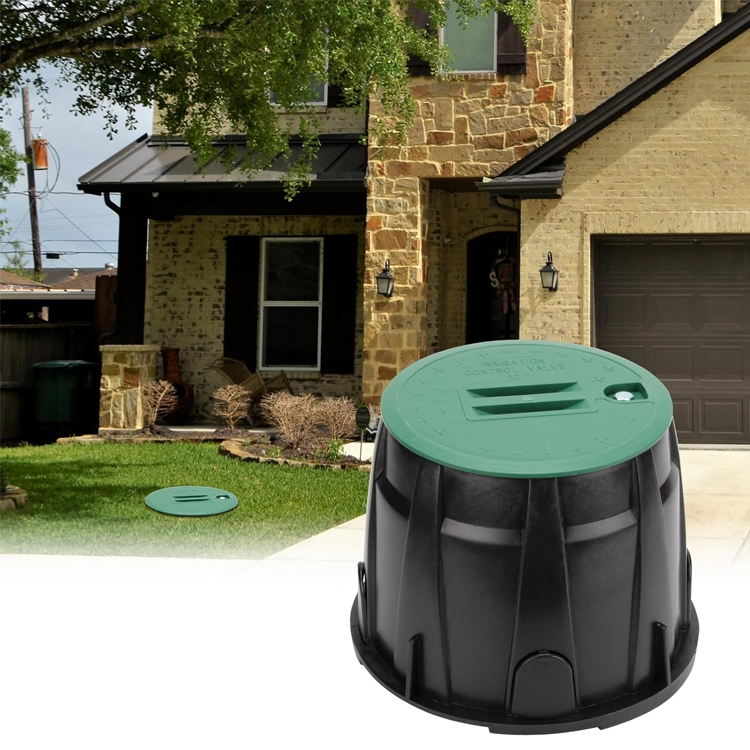
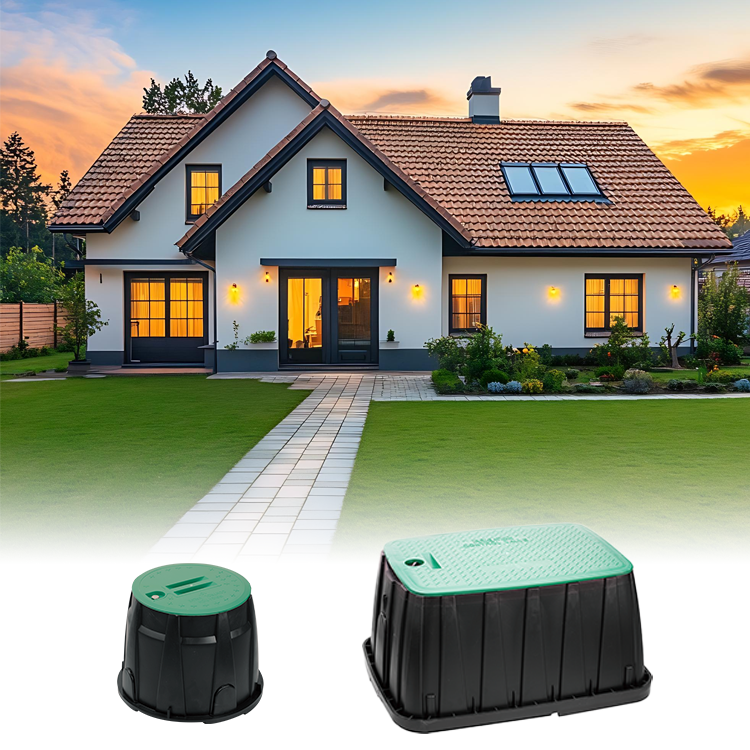
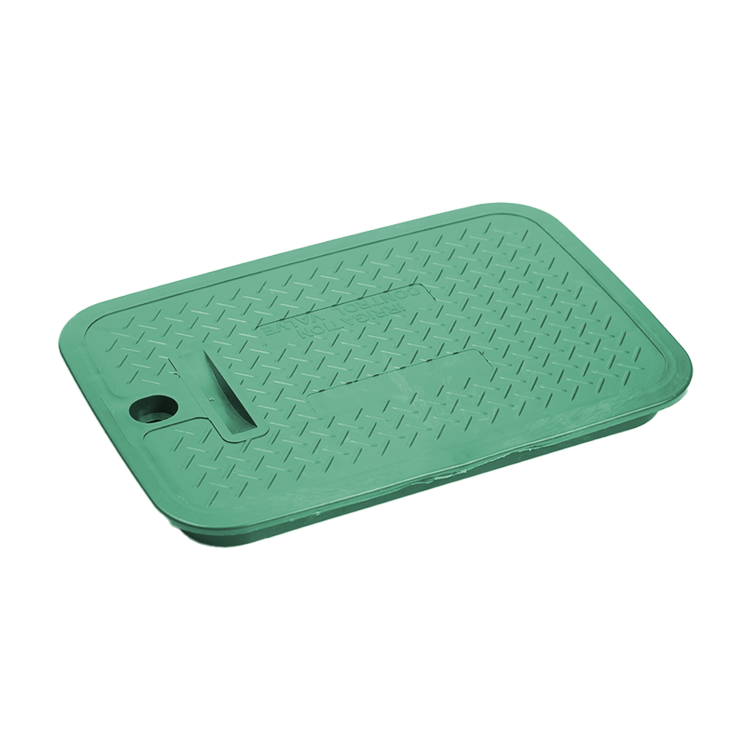
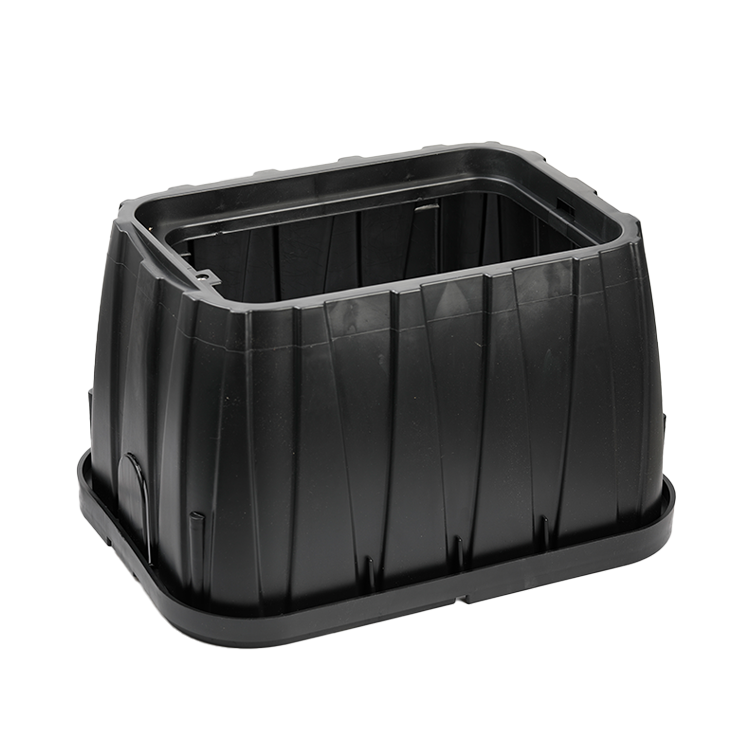
I see an Irrigation Valve Box as a crucial shield for your irrigation system's heart. It protects sensitive components like valves, filters, and fittings. These boxes guard against harsh environmental conditions. I mean extreme heat, freezing weather, heavy rainfall, and UV sunlight exposure. They also prevent contamination. This keeps out dirt, debris, and pests. Such protection avoids clogs, blockages, and damage to your valves. Many boxes are manufactured from High-Density Polyethylene (HDPE). This material offers durability and resistance to environmental stress. They also withstand naturally occurring chemicals in soil. This prevents corrosion and degradation. Impact-resistant plastic with corrugated side walls provides additional strength. This allows them to withstand heavy loads like lawnmower tractors. Overlapping covers prevent dirt and grass from entering. UV inhibitors in the material prevent discoloration and cracks. You find these boxes in plastic or concrete. Plastic is lightweight and easy to install. Concrete offers enhanced durability. They come in rectangular or round shapes.
Ensuring Accessibility for Maintenance
I understand the importance of easy access for maintenance. An irrigation valve box provides this access. It allows for necessary repairs and adjustments. This ensures your irrigation system functions correctly. I find it gives ample room to access the control valve for maintenance or repairs. This easy access to buried irrigation control valves is invaluable. Sizes range from 7 to 27 inches. This accommodates varying numbers of zones and valves.
Preventing Damage and Vandalism
I know these boxes play a vital role in preventing damage and vandalism. Patty of Harvest Landscape Enterprises notes customers often choose steel box enclosures over plastic ones. This prevents corrosion from weather and damage from vandals. She explains, "The plastic boxes the timers come in tend to break easily and are not secure." This highlights the fragility of standard plastic enclosures against external threats. These boxes protect valuable equipment. They also prevent injury to people. They guard against pipe damage in severe winter climates. They deter malicious acts by teenagers. Realistic 'rock boxes' are also available. These mimic sandstone, granite, and other boulders. They offer a less conspicuous option.
Why Your Irrigation System Needs an Irrigation Valve Box
Safeguarding Critical Valves and Wiring
I know your irrigation system relies on delicate parts. Valves and wiring are essential. An Irrigation Valve Box acts as a strong shield. It protects these critical components. I see it guarding against accidental damage from lawnmowers or foot traffic. It also keeps out dirt, debris, and pests. These elements can cause clogs or electrical shorts. Protecting these parts extends their life. It ensures your system works reliably. This protective enclosure, the Irrigation Valve Box, is truly indispensable.
Organizing Your Irrigation System Layout
I find a well-organized system is easier to manage. Valve boxes help achieve this. They provide a designated, neat space for valves. This prevents a tangled mess of pipes and wires. I believe this organization makes your landscape look cleaner. It also helps you quickly identify which valve controls which zone. This structured layout is key for efficient system management.
Facilitating Easy Troubleshooting and Repairs
I understand that problems can arise. When they do, quick access is vital. Valve boxes make troubleshooting simple. I can easily open the lid to inspect valves or wiring. This direct access speeds up diagnosis. It also makes repairs much easier. I can replace a faulty valve or fix a loose wire without digging up my yard. This saves time and effort.
The Risks of Neglecting an Irrigation Valve Box
I have seen the consequences of neglecting these boxes. Ignoring them leads to serious long-term problems. Leaks or wear in unprotected valves cause inefficient watering. This means higher water bills for you. When valves get blocked or damaged, some zones might not turn on or off. This results in uneven water distribution. Your landscape's health will suffer. Water leaks at the valves waste a lot of water. This further increases your bills. If I leave these issues unaddressed, water can pool. This promotes mold or root rot, harming your plants. Exposed components also pose safety hazards.
Choosing the Right Irrigation Valve Box
Understanding Valve Box Sizes and Dimensions
I know selecting the correct size is crucial for your irrigation system. The right dimensions ensure proper fit and accessibility. I find various standard sizes available to accommodate different needs.
- Round Valve Boxes
- 6″ Round Valve Box
- 10″ Round Valve Box
- Rectangular Valve Boxes
- 14″ x 19″ Standard Rectangular Valve Box
- 17″ x 24″ Jumbo Rectangular Valve Box
- Low Profile Valve Boxes
- 14″ x 19″ Low Profile Rectangular Valve Box
- 17″ x 24″ Low Profile Rectangular Valve Box
For example, a common rectangular box offers these specifications:
| Specification | Measurement |
|---|---|
| Lid Dimensions | 11.75″ x 16.75″ |
| Base Dimensions | 14.00″ x 19.00″ |
| Height | 12.50″ |
| Weight | 6.40 lbs. |
I always consider the number of valves and the space needed for future maintenance.
Material Matters: HDPE vs. PP for Durability
I believe material choice directly impacts longevity. High-Density Polyethylene (HDPE) and Polypropylene (PP) are common options. HDPE, often structurally foamed, offers superior strength and resistance to environmental stressors. It withstands UV radiation and temperature fluctuations well. PP also provides good durability, but HDPE generally offers better impact resistance and a longer lifespan in harsh conditions. I always recommend materials that resist cracking and degradation over time.
Load-Bearing Classifications for Irrigation Valve Boxes
I understand that different environments demand different strengths. Valve boxes come with various load-bearing classifications. Light-duty boxes suit residential landscapes where only foot traffic occurs. Medium-duty boxes handle occasional light vehicle traffic, like lawnmowers. Commercial or heavy-duty boxes withstand significant loads, such as vehicles in public parks or golf courses. I always match the box's classification to the expected traffic.
Round vs. Rectangular Irrigation Valve Box Applications
I see distinct applications for round and rectangular valve boxes. Round boxes typically house a single valve or a small cluster. They are ideal for individual zone control points. Rectangular boxes offer more internal space. I use them for housing multiple valves, manifolds, or more complex wiring setups. They provide ample room for technicians to work. This makes them suitable for larger irrigation systems.
Expert Installation Techniques for Your Irrigation Valve Box
Site Preparation and Optimal Placement
I know proper site preparation is crucial. It prevents future complications. I always group valves in accessible valve boxes. I place these boxes in unobtrusive locations. I avoid burying them under new installations like benches or planters. This ensures accessibility for repairs. I consider both performance and practical maintenance when positioning valves. I also check local regulations and utility lines before digging.
Ensuring Proper Drainage Around the Irrigation Valve Box
I ensure proper drainage around the Irrigation Valve Box. I start with a 3-4 inch layer of pea gravel. This creates a reservoir for water. I line the excavation with landscape fabric. This prevents soil from mixing with gravel. I use centering rings to seal pipe entry points. This stops soil and water infiltration. I position the top of the box slightly above ground level. This prevents debris from washing in. I make sure the gravel base is level.
“I battled water in my valve box for two seasons before adding more drainage gravel and raising it slightly,” shares one Massachusetts homeowner. “Now it stays dry year-round, even during our wettest months.”
Securing the Irrigation Valve Box for Stability
I secure the Irrigation Valve Box for long-term stability. I use bolt-down installation with a 3/8" 304 brass nut. This ensures secure placement. The tapered body design enhances stability. A 0.500" bottom flange helps prevent shifting.
Common Installation Mistakes to Avoid
I warn against common installation mistakes. Installing a valve backward is a frequent error. I always check flow arrows. Neglecting backflow prevention is a critical public health responsibility. I ensure proper backflow device installation. Poor accessibility for maintenance is another issue. I always use a properly sized valve box. I never ignore local building codes. Prioritizing upfront cost over long-term value leads to problems. I choose durable components.
Essential Maintenance for Irrigation Valve Box Longevity
Routine Inspection and Cleaning Practices
I know consistent maintenance is key for any irrigation system. I perform routine inspections and cleaning practices on my irrigation valve boxes. This ensures their longevity and optimal performance. I typically check my valve boxes at least once a season, or more frequently in high-traffic or debris-prone areas. During an inspection, I lift the lid and visually assess the interior. I look for any signs of wear, damage, or unwanted inhabitants. I remove any accumulated dirt, leaves, grass clippings, or other debris. This prevents blockages and keeps the area around the valves clear. I use a small hand trowel or a brush for this task. I also wipe down the inside of the box and the lid. This keeps the components clean and accessible.
Addressing Debris, Pests, and Water Accumulation
I often encounter debris, pests, and water accumulation inside valve boxes. These issues can compromise system integrity. Debris, such as soil, mulch, or plant matter, can enter the box through gaps or during landscaping activities. I remove this debris promptly. It can clog valves or interfere with their operation. Pests, like ants, spiders, or even rodents, sometimes build nests inside. These pests can chew on wires or create obstructions. I clear out any pest activity and consider using natural deterrents if it becomes a recurring problem. Water accumulation is another common issue. It often results from poor drainage, a leaking valve, or heavy rainfall. Standing water can corrode metal components and damage electrical connections. I address the source of the water. This might involve improving drainage around the box or repairing a leaky valve.
Checking for Cracks and Structural Integrity
I always prioritize the structural integrity of my irrigation valve boxes. I understand a compromised box offers inadequate protection. I look for signs of wear and tear on the valve box itself. This includes visible cracks, chips, or warping. These are clear indicators of potential structural integrity issues. A damaged box cannot effectively shield the valves from external pressures, UV radiation, or physical impact. I inspect the valve box carefully to ensure it provides adequate protection for the valves. If I find significant damage, I consider replacing the box. A new, sturdy box ensures continued protection for the critical components inside. This proactive approach prevents more costly repairs down the line.
Troubleshooting Common Irrigation Valve Box Issues
I have encountered various issues within irrigation valve boxes. I developed systematic troubleshooting steps for each.
- Leaks or pooling water around the valve or at the sprinkler head closest to the valve.
- I turn off the water supply immediately. Then, I disassemble the valve to clear any clogs. If the damage is severe, I replace the valve. I often install a filter before the valve to prevent future blockages.
- Low water pressure and inadequate water delivery to Sprinkler Heads.
- I turn off the water supply. I disassemble the valve and clear any clogs. If the damage is severe, I replace the valve. I install a pressure regulator to prevent future pressure problems.
- Sprinkler heads are not turning off (valve not shutting off).
- I check the solenoids. A faulty solenoid, possibly with a problem in its plunger, can prevent the valve from closing. I turn off the water and replace the defective solenoid with a compatible one.
- Valve is not opening.
- Debris stuck in the valve can prevent it from opening. I disassemble the valve and clean out any debris and build-up.
- Irrigation valve is getting hot.
- This could be due to an electrical issue or sediment lodged in the mechanism. I open and inspect the valve. If sediment is present, it is the cause. Otherwise, I investigate electrical problems.
I reinforce the critical value of proactive Irrigation Valve Box management. This ensures a durable and highly efficient irrigation system. I have shown how proper selection, installation, and maintenance are key. I encourage you to explore quality Irrigation Valve Box products. They will meet your specific needs and enhance system longevity.
FAQ
Why do I need an irrigation valve box?
I use an irrigation valve box to protect critical valves and wiring. It keeps them safe from damage and makes them easy to access for repairs.
Which material is best for my valve box?
I recommend HDPE for its superior durability. It resists UV radiation and temperature changes. This ensures a long lifespan for your irrigation system.
How often should I check my valve box?
I inspect my valve boxes at least once a season. More frequent checks are good in high-debris areas. This prevents issues and ensures system health.