Why Choose the Right Irrigation System Valve for Your Needs?
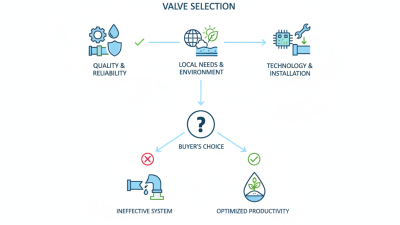
Choosing the right irrigation system valve is crucial for efficient water management. As John Smith, a renowned irrigation engineer, often says, "The right valve can make or break your system." This highlights the importance of selecting an appropriate valve tailored to your specific landscape needs.
Irrigation system valves come in various types, each with unique functions. Consider factors like flow rate, pressure, and durability. A mismatched valve can lead to wasteful water usage or inadequate irrigation. Many users overlook this detail, thinking all valves serve the same purpose. Yet, the wrong choice can lead to inefficiencies and increased costs.
Understanding the characteristics of various irrigation system valves empowers users to make informed decisions. Choosing wisely ensures a reliable irrigation system and promotes healthier plants. Take the time to reflect on how your current valve performs. It may not be perfect, but identifying areas for improvement can lead to significant gains in your irrigation efforts.
Understanding the Importance of Choosing the Right Irrigation Valve
Choosing the right irrigation valve can significantly impact your system's efficiency. According to a report by the Irrigation Association, improper valve selection can lead to water wastage of up to 30%. This statistic highlights the need for careful consideration when selecting an irrigation valve. The right valve ensures optimal flow regulation, which can enhance crop yield and conserve water.
Different crops have different water needs. For instance, drip irrigation systems often require specific valve types to maintain the right pressure. A mismatch can adversely affect plant growth. Research indicates that using the correct valve contributes to a 15-20% increase in water efficiency. Choosing the wrong one can lead to uneven distribution, ultimately harming your crop yield.
Many users overlook maintenance, which is critical for valve longevity. A failure to regularly check for leaks or clogs can diminish the valve's performance over time. Experts recommend routine inspections to ensure everything is operating optimally. Making thoughtful choices today can prevent issues down the line. Finding the best valve tailored to your irrigation method is essential for achieving desired results.
Why Choose the Right Irrigation System Valve for Your Needs?
| Valve Type |
Functionality |
Material |
Pressure Rating |
Use Case |
| Gate Valve |
On/Off control |
Metal |
150 psi |
Main line isolation |
| Ball Valve |
Quick open/close |
PVC/Plastic |
200 psi |
Zone control |
| Check Valve |
Prevents backflow |
Brass |
100 psi |
Protection against backflow |
| Solenoid Valve |
Automated control |
Plastic/Brass |
150 psi |
Irrigation systems |
| Automatic Control Valve |
Cyclic operation |
Various |
Varies by type |
Largescale irrigation systems |
Types of Irrigation System Valves and Their Functions
When selecting an irrigation system valve, understanding the types available is crucial. Key valve types include
butterfly valves, gate valves, and ball valves. Butterfly valves are known for their compact design and efficiency.
They are often used in larger systems where space is limited. Gate valves, on the other hand, are ideal for on/off
control, making them suitable for main lines.
According to industry reports, about 40% of water can be lost in inefficient irrigation practices.
Ball valves excel in managing flow rates, providing precise control. They are commonly used in residential
setups where reliability is essential. Each valve type serves distinct functions, addressing various agricultural
and landscaping needs. Selecting the right valve can significantly impact water efficiency and resource management.
Proper valve installation and maintenance are vital. A report from the Irrigation Association suggests that a
well-maintained system can reduce water waste by up to 30%. There is always a learning curve in understanding
each valve's specific requirements. Overlooking details can lead to inefficiencies and increased costs.
Therefore, making informed decisions can lead to better results in irrigation management.
Factors to Consider When Selecting an Irrigation Valve
Selecting the right irrigation valve is a critical decision for effective landscape management. Various factors come into play when making this choice. Flow rate, pressure requirements, and the type of irrigation system in place are essential considerations. According to a recent industry report, nearly 30% of inefficiencies in irrigation systems stem from improper valve selection. This highlights the importance of choosing a valve that fits your unique needs.
Tips: Always assess your system's flow rate. A valve that cannot handle your irrigation's demand will lead to wasted water and increased expenses. Understand the specific pressures your setup requires. Using a valve that operates beyond these levels can lead to system failure.
Temperature and material compatibility should not be overlooked. Extreme weather can cause some materials to degrade faster than others. A study from the Irrigation Association shows that choosing the wrong valve material can decrease the lifespan of your system by 40%. Consider factors such as soil type and plant needs. A mismatch can result in uneven watering and affect plant growth. These reflections will lead you toward a more informed decision.
How the Right Valve Enhances System Efficiency and Performance
Choosing the right irrigation system valve can greatly improve system efficiency. Efficient valves enable better water flow and pressure regulation. They also reduce wastage, ensuring plants receive adequate moisture. Selecting the appropriate valve helps match your specific agricultural or gardening needs.
A valve’s material and design impact its performance. Materials should be resistant to corrosion and wear. For example, brass valves are durable but may be overkill for small gardens. Simple plastic valves may suffice for home use. Understanding the environment where the valve will function is crucial. Extreme weather can wear down inferior valves quickly.
Sometimes, even reputable valves fail to perform as expected. Regular maintenance is essential but often overlooked. Without proper checks, even a minor leak can lead to a significant loss of water. Choosing the right valve involves more than just understanding specifications. It requires hands-on experience and a willingness to learn from past mistakes.
Impact of Valve Selection on Irrigation System Efficiency
Selecting the right irrigation valve is crucial for maximizing water utilization. This chart illustrates the impact of choosing different efficiency valves on overall water utilization percentages. A higher percentage indicates better performance and efficiency in water delivery.
Common Mistakes to Avoid in Irrigation Valve Selection
Selecting the right irrigation system valve is crucial for optimal performance. Many make common mistakes during this process. One prevalent error is neglecting soil type. Research shows that choosing the wrong valve can lead to inefficient water distribution. For example, clay soils hold water differently than sandy soils. Understanding your soil type helps in selecting the right valve, improving water conservation.
Avoiding oversizing is another pitfall. Many assume that larger valves offer better flow. However, oversized valves can cause pressure drops and water wastage. A report from the Irrigation Association states that up to 30% of water can be saved by correctly sizing valves according to flow requirements.
**Tip:** Always perform a flow test before purchasing valves. This will ensure you select the correct size for your needs.
Consider also the valve's material. Plastic valves can be less reliable in harsh conditions. They may fail under high pressure or extreme temperatures. A mix of plastic and metal might offer better durability.
**Tip:** Review the manufacturer's specifications and inquire about warranty options. This ensures reliability and longevity in your irrigation system. Making informed choices can prevent costly mistakes and ensure efficient irrigation.